Peter Ahrends, the architect who designed the controversial National Theatre extension and other notable British buildings, has died aged 92. His practice, Ahrends, Burton and Koralek (ABK), was awarded the RIBA Royal Gold Medal in 1990, one of the highest honours in architecture.
Early life and career
Ahrends was born in Berlin in 1933 and fled Nazi Germany with his family as a child. He studied architecture at the Architectural Association in London and later at the University of California, Berkeley. In 1961, he co-founded ABK with Peter Burton and Paul Koralek. The practice became known for its modernist, brick-based designs that often incorporated sculptural forms.
Notable projects
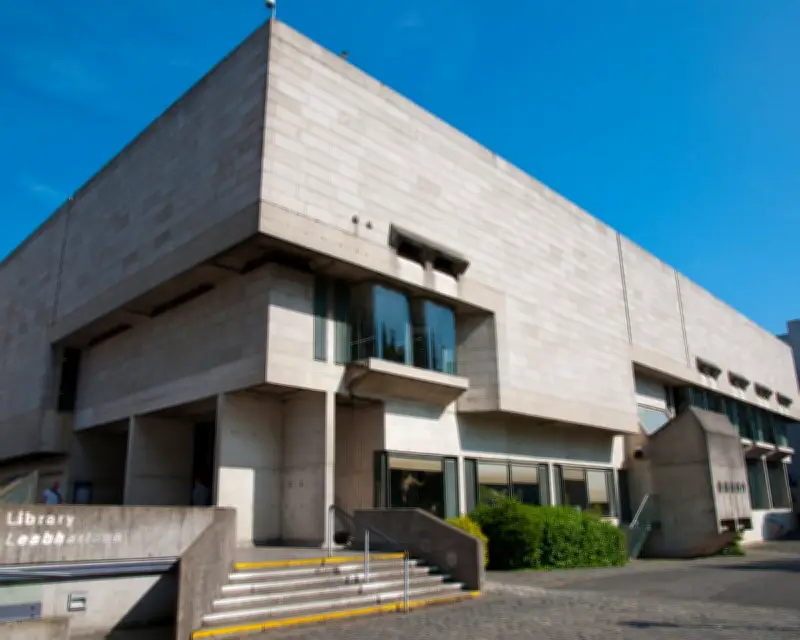
Ahrends' most famous work is the extension to the National Theatre in London, completed in 1997. The design, a series of interlocking brick volumes, was controversial at the time but later praised for its boldness. ABK also designed the new Bodleian Library in Oxford (the Radcliffe Science Library), as well as buildings for Keble and St John's colleges in Oxford and Cambridge. Other projects included the British Embassy in Moscow (1987) and the headquarters for the Royal College of Nursing.

Recognition and legacy
In 1990, ABK received the RIBA Royal Gold Medal, with the jury citing their "consistently high quality of design" and "significant contribution to the built environment." Ahrends was also a fellow of the Royal Society of Arts and served as a visiting professor at several universities. He is survived by his wife, two children, and four grandchildren.