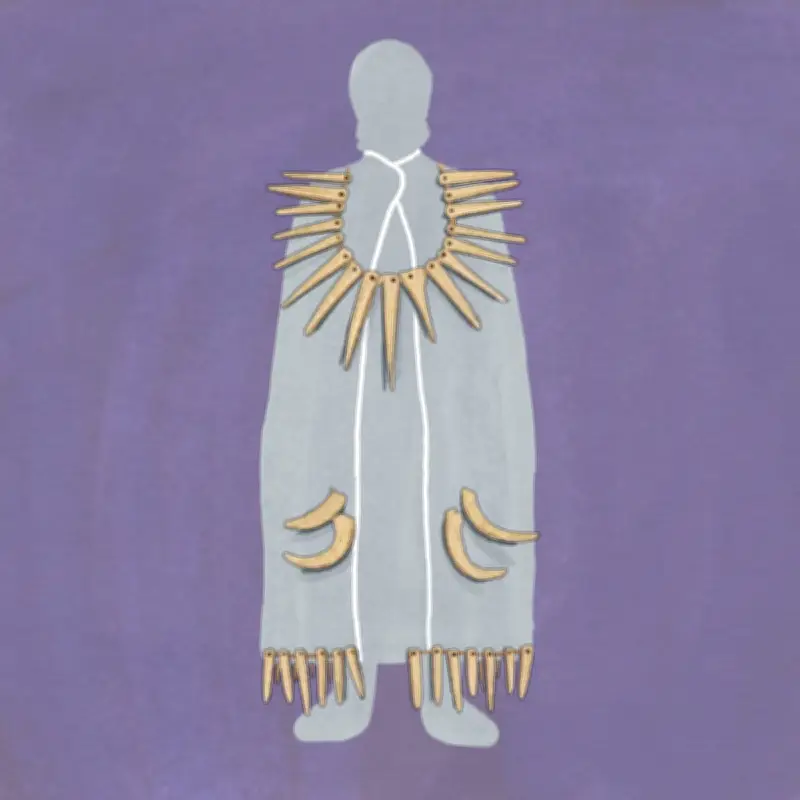
A 4,000-year-old burial in Wiltshire, long believed to be a male shaman, has been identified as a woman through ancient DNA analysis at the Francis Crick Institute. The Upton Lovell Shaman, now housed at the Wiltshire Museum, was thought to be a man based on the assumption that someone of such importance must have been male.
DNA reveals hidden truths
This discovery is one of many made possible by rapid advances in ancient DNA technology since 2010. The technique has upended assumptions about human history, including revelations of frequent liaisons between humans and Neanderthals 50,000 years ago and evidence that the first modern Britons had dark to black skin. It also solved the mystery of what killed two Medici family members in the 16th century – likely malaria, not murder.
DNA analysis has mapped migrations, sexual relations, and disease patterns, showing that ancient groups moved and intermixed far more than previously thought. For example, the near-total replacement of Stonehenge-building Neolithic Britons after the Bell Beaker people arrived around 2400BC was relatively common, though the reasons remain unknown.
Challenging modern biases
The shaman case exposes how assumptions about gender can color interpretations. Similarly, a 2023 study of Pompeii plaster casts revealed that figures long thought to be a mother and child were actually two unrelated males. The authors noted no published evidence supported the earlier romanticized view.
DNA evidence will not overturn every biased judgment, but each case helps us recognize how readily modern perspectives are projected onto the past. The past is more fascinating when considered on its own terms, reminding us how much we still have to learn.