University Students Demand Names of Epstein Associates Be Removed from Campus Buildings
Students across the United States are intensifying calls for universities to strip the names of prominent donors with documented connections to the late convicted sex offender Jeffrey Epstein from campus buildings. From Ohio State University to Harvard, a coalition of students, faculty members, and alumni argue that these associations tarnish institutional reputations and cause significant distress to survivors of sexual abuse.
Les Wexner at the Center of Ohio State Protests
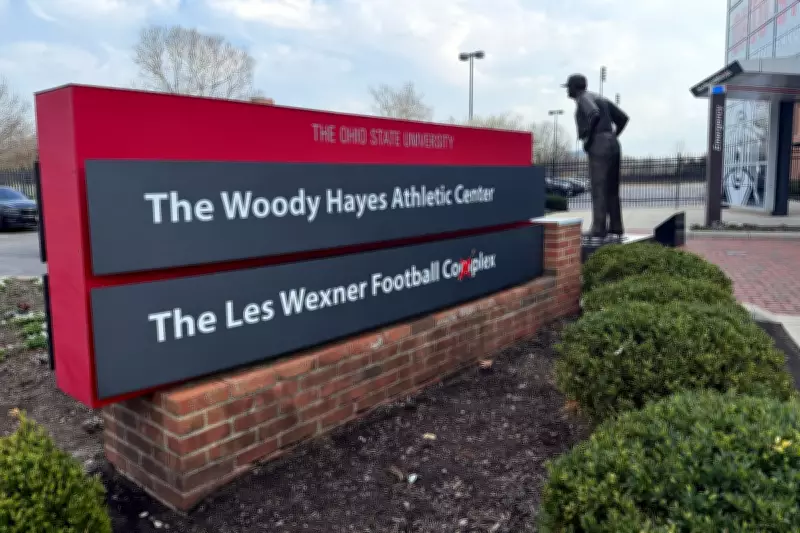
Billionaire retail mogul Les Wexner has become a focal point of demonstrations, with his name prominently featured on numerous facilities at Ohio State University. These include the Wexner Medical Center, the Les Wexner Football Complex, and the Wexner Center for the Arts. Union nurses, former athletes, and student leaders are united in demanding the removal of Wexner's name, citing his well-documented ties to Epstein. Although Wexner has not faced criminal charges and claims he was deceived by his former financial adviser, a group of former OSU athletes—survivors of a separate sexual abuse scandal at the institution—contend that his generosity is now tainted.
Their formal request for name removal stated: "Ohio State University cannot credibly separate itself from these facts, nor can it justify continuing to honor Les Wexner with an athletic facility. To do so is to ignore the voices of survivors, former athletes, and the broader community who expect accountability, transparency, and moral leadership."

Nationwide Backlash Targets Multiple Donors
Similar demands are emerging at universities nationwide, targeting buildings named after other individuals linked to Epstein. These include Steve Tisch, Casey Wasserman, Glenn Dubin, and Howard Lutnick, whose names adorn facilities at institutions such as Tufts University, UCLA, Stony Brook University, and Haverford College. This backlash reflects a broader scrutiny within higher education, where donors and even academics whose emails appeared in Epstein's files are facing intense pressure.
At Harvard University, a coalition of students and faculty at the prestigious Kennedy School is campaigning against the Leslie H. Wexner Building and the Wexner-Sunshine Lobby. Their March request for renaming highlighted Wexner's strong ties to Epstein and alleged that Epstein profited from Wexner, enabling him to use his wealth and power to traffic and abuse children and women.
Separately, some Harvard students and alumni are seeking the removal of the Farkas name from Farkas Hall, which hosts the Hasty Pudding Theatricals. Andrew Farkas, a graduate chairman of the Hasty Pudding Institute, had a long-standing personal and business relationship with Epstein, including co-owning a Caribbean marina. Epstein also made regular donations to Hasty Pudding, totaling over $300,000 between 2013 and 2019. Mr. Farkas responded to the controversy, stating: "As I’ve said repeatedly, I deeply regret ever having met this individual, but at no time have I conducted myself inappropriately."
Universities Grapple with Complex Ethical Demands
Institutions are now navigating these complex ethical demands. Ohio State's new president, Ravi Bellamkonda, affirmed that the university's five-step review procedure for name removal is thorough, fair, and open, promising full consideration for each request. Harvard has confirmed receipt of the Wexner-related request but declined further comment, having previously changed the name of John Winthrop House due to slavery connections.
Haverford College's student body recently voted to urge President Wendy Raymond to proceed with renaming the Allison & Howard Lutnick Library, a move she had previously hesitated on. Tufts University, home to the Tisch Library and the Steve Tisch Sports and Fitness Center, is also reviewing the matter, clarifying that the library was named for Preston Tisch, Steve's father, and removing Steve Tisch's handprints during a planned renovation.
This situation echoes earlier controversies, such as those surrounding the Sackler family and their links to the opioid crisis, where institutions faced similar ethical and financial dilemmas over donor names.

Moral and Financial Bind for Institutions
The issue places universities in a difficult moral and financial position. Anne Bergeron, a museum consultant specializing in naming rights ethics, describes this as a moment of reckoning for institutions. She notes that younger generations, particularly students, have virtually no tolerance for being associated with anyone who doesn't represent the best of humanity, urging universities to guard against the appearance of a quid pro quo.
However, some argue against retrospective moral judgments. Michael Oser, a Columbus resident, articulated this frustration in a letter to The Columbus Dispatch: "OSU took the money. Built the buildings. Cut the ribbons. Smiled for the photos. There were no formal ‘morality clauses’ attached back then, just gratitude and applause. Now, years later, some want to play moral referee while the university keeps the cash and the concrete. That’s not accountability. That’s convenience."
Personal Impact on Survivors and Community Healing
For survivors of sexual abuse, the presence of these names is deeply personal. Lauren Barnes, a Harvard Kennedy School student leading the effort to remove Wexner's name, described her daily struggle: "Thinking about all the children in this world that deserve safety and also all the survivors on campus that have to walk under the Wexner name, I know what that’s like to have my heart race and my hands get sweaty. I hate that anyone else has to have that feeling walking under that name and just dealing with it kind of everywhere on campus."
At Ohio State, protester Audrey Brill told a local ABC affiliate that it feels gross to consider women delivering babies at OSU's Wexner Medical Center given everything that is being learned about where this money went, believing removal could aid healing. Protesters there are also seeking the removal of Dr. Mark Landon's name from a hospital lounge, despite his claims that five-figure quarterly payments from Epstein were for biotech consulting, not healthcare.
As pressure mounts, universities face the challenging task of balancing donor relationships with ethical responsibilities and the profound impact on their communities, navigating a landscape where accountability and historical context are increasingly scrutinized.