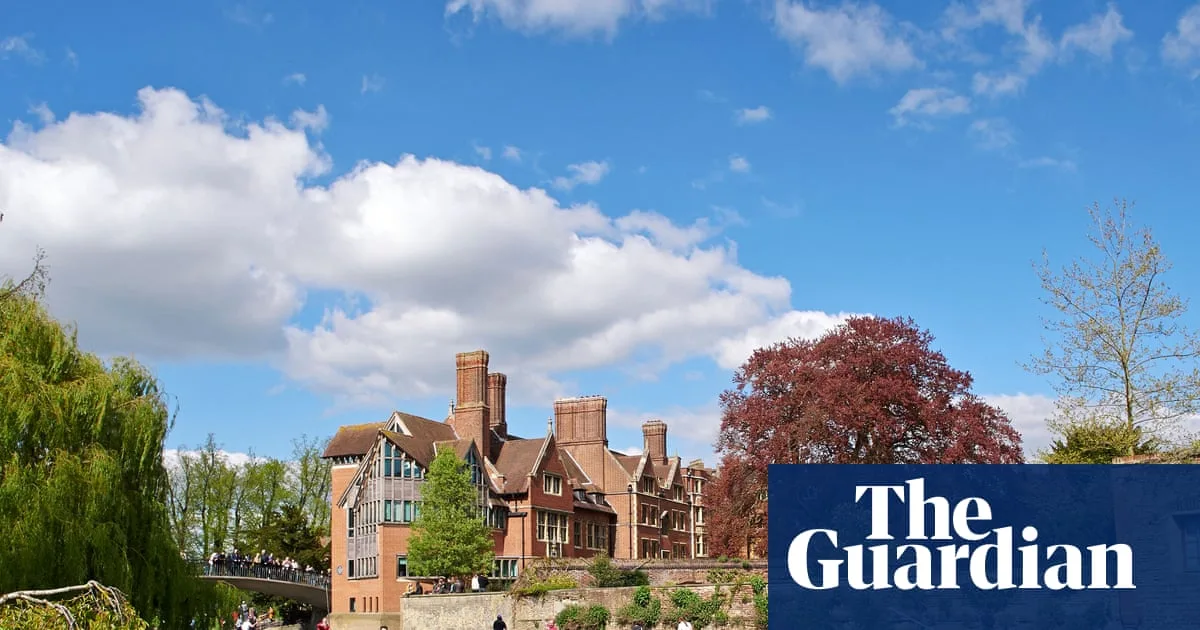
Trinity Hall, a college at the University of Cambridge, is facing backlash over a new policy to actively recruit students from elite private schools. Alastair Campbell, former Downing Street communications director, joined graduates and social mobility charities in criticising the move, calling it a 'total departure from reality' and a step backwards for equality.
The policy, adopted at the end of last year, targets a small group of wealthy independent schools in southern England, charging upwards of £25,000 a year, to encourage applications in courses such as languages, music, art history, classics and theology. The Guardian revealed the internal briefing stating the aim was not to 'ignore or marginalise' privately educated students.
Sophie Pender, chief executive of the 93% Club, which represents state-educated students, said Trinity Hall's state-educated alumni would withdraw donations until the policy is reversed, describing it as 'immoral and dangerous'. The Sutton Trust also called for the policy to be reversed, with chief executive Nick Harrison noting that private school pupils are already overrepresented at Cambridge despite making up only 7% of the population.
Trinity Hall alumni expressed dismay on social media and contacted the college to object, with some vowing to refuse fundraising appeals. One alumnus said the policy appeared to be an attempt to recruit wealthier students to boost the college's donor base.
In response, the master of Trinity Hall, Mary Hockaday, emailed alumni on Thursday evening, stating that media coverage was 'very misleading'. She insisted there had been no change to admissions policy or commitment to widening participation, and that the college merely proposed adding some schools to recruitment email lists to ensure applications from talented students of all backgrounds.