Two-Thirds of State School Teachers Report Behaviour Disrupting Lessons
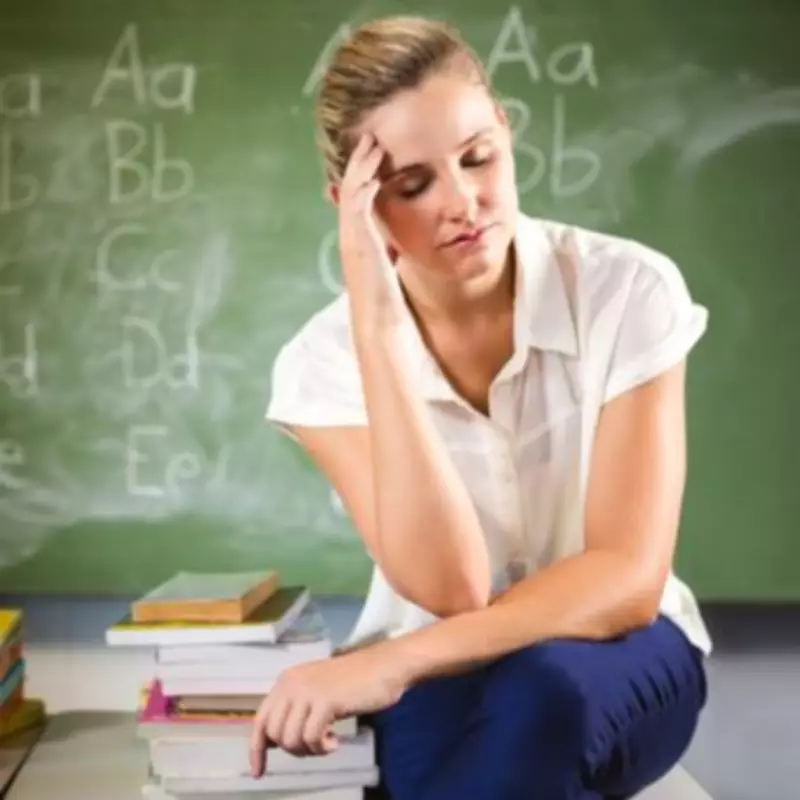
A significant poll conducted by the National Education Union has uncovered that two-thirds of state-school teachers in England believe pupil behaviour has a negative impact on learning in lessons either regularly or all the time. The survey highlights a stark contrast with private schools, where only 8% of teachers report similar concerns, compared to 31% in state schools who say behaviour rarely or never affects classrooms.
Detailed Breakdown of Behaviour Impact
According to the findings, 40% of state-school teachers stated that behaviour impacts lessons "often or regularly," while more than a quarter, specifically 26%, reported it happens "all the time." This figure is consistent with last year's data, which showed 67% of teachers experiencing regular disruptions, but it marks a significant increase from 48% in 2022 and 46% in 2020, indicating a worsening trend over recent years.
Primary and Specialist Settings Hit Hardest
The disruption is particularly pronounced in primary schools and specialist provisions. 70% of teachers in primary schools and 69% in special schools or pupil referral units noted that behaviour negatively affects learning. Teachers working in high deprivation settings were also more likely to report such impacts, underscoring the role of socioeconomic factors in classroom dynamics.

Causes of Challenging Behaviour
Teachers identified several key factors contributing to disruptive behaviour:
- A lack of resources and staffing, which hampers effective management.
- Unmet needs of students with Special Educational Needs and Disabilities (SEND), leading to complex behaviours without adequate support.
- The influence of social media, with extreme online content triggering racist, misogynistic, and hateful behaviours among pupils.
- A rigid and overloaded curriculum that is often inappropriate for some students, causing frustration and disengagement.
Support and Policy Concerns
While 43% of teachers feel supported by their school's behaviour policy, more than a third, or 34%, still feel unsupported. Daniel Kebede, the NEU's general secretary, emphasised that "schools need behaviour management policies that staff can rely on in practice," noting that confidence in these policies is lacking in many settings.
Comparison with Private Schools
The survey revealed a clear disparity between state and private schools, attributing the difference to resourcing, class size, and pupil-to-adult ratios. State schools have an average class size of 26.4 pupils in primary and 22.5 in secondary, whereas private schools typically maintain classes of 10 to 15 pupils. This suggests that smaller class sizes and better resources in private schools contribute to more manageable behaviour and enhanced learning environments.
Survey Methodology
The NEU conducted an online survey from February 5 to 16, involving 10,715 teacher members and 3,274 support staff members, providing a comprehensive overview of the current state of behaviour in English schools. The findings call for urgent attention to address the underlying issues, including funding, curriculum flexibility, and support for teachers, to improve educational outcomes across the board.