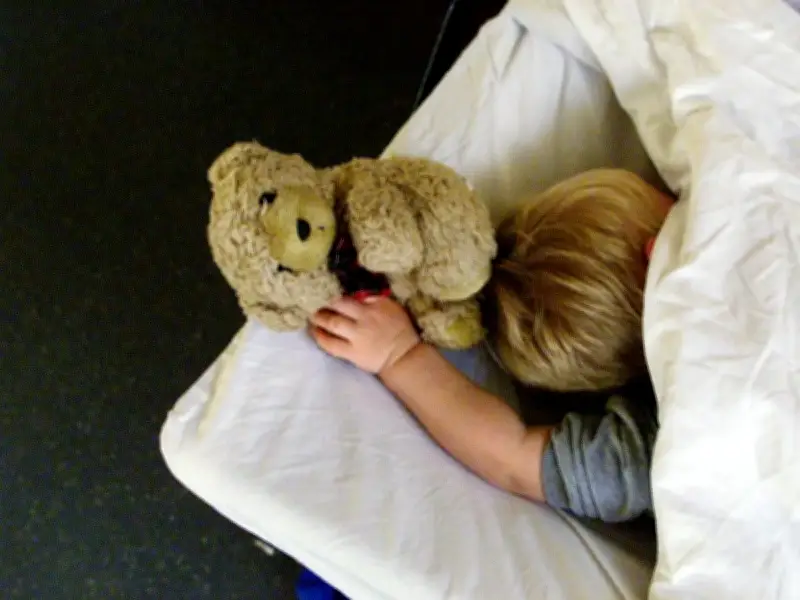
Parents are being advised to begin adjusting their children’s sleep routines starting this weekend to prepare for the upcoming end of British Summer Time. Clocks across the UK are set to turn back by one hour on Sunday, October 25.
While the shift offers an extra hour in bed for adults, it can cause major disruptions to young children's sleep schedules and overall routine. To avoid bedtime struggles and early morning wake-ups, baby and child consultant Andrea Grace recommends that parents gradually shift their children's bedtimes slightly later over the seven days leading up to the clock change.
The 10-Minute Bedtime Strategy
Rather than changing a child's sleep schedule abruptly on the night the clocks change, parents are advised to put children to bed roughly 10 minutes later each night. By moving bedtime back incrementally each day, children will fall asleep around a full hour later by October 25, helping their internal body clock adapt smoothly.
“As the seasons change, so do children's sleep patterns,” explained Andrea Grace, who collaborated with M&S on the children's sleep guide. She noted that darker mornings, shorter daylight hours, and increased artificial light during autumn and winter disrupt the natural light signals that regulate melatonin—the hormone responsible for sleep.
Ideal Sleeping Conditions for Children
Alongside adjusting bedtimes, the sleep guide highlights key adjustments parents can make to create optimal sleep conditions:
- Keep bedrooms cool and dark: The recommended room temperature is between 16°C and 20°C. If a night light is needed, opt for a dim red light.
- Declutter before bed: Clearing away toys creates a calm atmosphere and serves as a simple signal that playtime is over.
- Use breathable fabrics: Choose cotton bedding and pyjamas to help regulate temperature and keep children comfortable.
- Maintain loving boundaries: A calm, repeated bedtime routine helps children feel secure and signals that it is time to sleep.
Bedtime Cheese Myth Debunked
The guide also addresses the common belief that eating cheese before bed causes nightmares. According to Grace, there is little evidence to support this claim. Cheese contains tryptophan, an amino acid that helps the body produce sleep-regulating melatonin. A small piece of cheese served with an oat cracker can serve as a beneficial bedtime snack for hungry children.
Recommended daily sleep by age: 1–2 years: 12–15 hours; 2–3 years: 12–14 hours; 3–5 years: 10–13 hours; 6–12 years: 9–12 hours; 13–18 years: 8–10 hours.