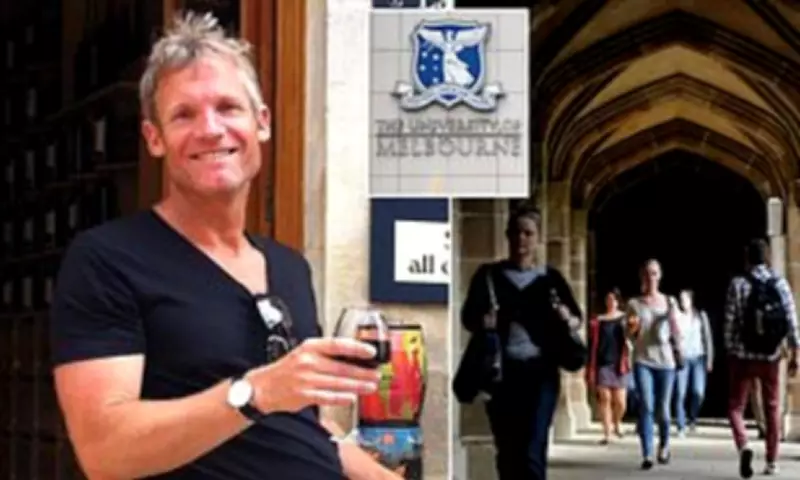
Professor Secures Second Legal Victory After Dismissal Over Inappropriate Student Communications
The University of Melbourne's decision to terminate a senior academic for sending romantic messages and a suggestive photograph to a PhD student has been upheld as unreasonable in a second legal ruling. Professor of Geotechnical Engineering Stephan Matthai, aged 63, was dismissed in December 2024 after it emerged he had engaged in inappropriate conduct with a female PhD student back in 2017.
Fair Work Commission Upholds Earlier Ruling on Unfair Dismissal
Deputy President Alan Colman of the Fair Work Commission initially ruled that the termination was harsh and unreasonable, given the university's seven-year delay in taking action. The university was granted permission to appeal this decision on public interest grounds, arguing that the deputy president had erred in assessing the harshness of the dismissal, the appropriateness of reinstatement, and the professor's understanding of policy breaches.
However, this week the full bench rejected all appeal grounds, concluding that Deputy President Colman's decision fell within the range of reasonable discretionary judgments. The bench acknowledged that while the misconduct was serious and highly inappropriate, particularly given the power imbalance between a senior academic and a PhD student, the delay in dismissal was a critical factor.

Details of the Inappropriate Communications and University's Response
The matter dates back to 2017, when an unnamed PhD student began working under Professor Matthai's supervision. Their exchanges started professionally but quickly turned romantic, with the professor sending heartfelt messages about his recent break-up and responding to a poem from the student with one of his own. Their communication moved to personal email and private video chats, deliberately avoiding university channels to evade detection.
Over two months, Professor Matthai sent the student a picture of himself in his boxer shorts, which the tribunal deemed inappropriate and unprofessional but not sufficient grounds for dismissal. The university was informed of the messages in 2017, yet allowed Professor Matthai to continue in his role until his sudden dismissal in late 2024. The tribunal noted that this delay effectively condoned his continued employment, with no further concerns arising in the intervening years.
Student's Complaints and Investigation Findings
In 2018, the student reported to HR that Professor Matthai lacked appropriate boundaries and made her uncomfortable, but she declined to file a formal complaint due to fears it might jeopardise her PhD. Years later, in January 2024, she made a formal complaint alleging sexual and mental abuse over 14 months. An external investigator analysed 141 texts and emails, which included declarations of love from the student to the professor. Sexual harassment was not part of the investigation, and Professor Matthai denied any abuse.
The professor argued that he was struggling with a difficult break-up at the time, which impacted his judgment, and that he tried to manage the student's expectations after realising she had developed feelings for him. The tribunal considered his clean professional record following the incident, noting that if dismissed earlier at age 55, he might have had more re-employment opportunities.
Outcome and Implications for Academic Conduct
As a result of his legal victory, Professor Matthai has been reinstated to his $226,000 position. The case highlights the complexities of handling inappropriate conduct in academic settings, balancing the seriousness of misconduct with procedural fairness and timely action. The University of Melbourne, recognised as one of Australia's top institutions, now faces scrutiny over its handling of such cases and the implications for workplace behaviour policies.