My school is scrapping GCSEs, and I believe others should follow suit. As one of the first schools in the country to move away from these annual national exams, my school will adopt a bespoke curriculum starting with the 2027 cohort. This new system will include courses ranging from traditional academic subjects to modern areas such as artificial intelligence, assessed more dynamically. Students will also benefit from bridging courses—targeted programs designed to ease the transition to A-levels.
My Personal Experience with GCSE Stress
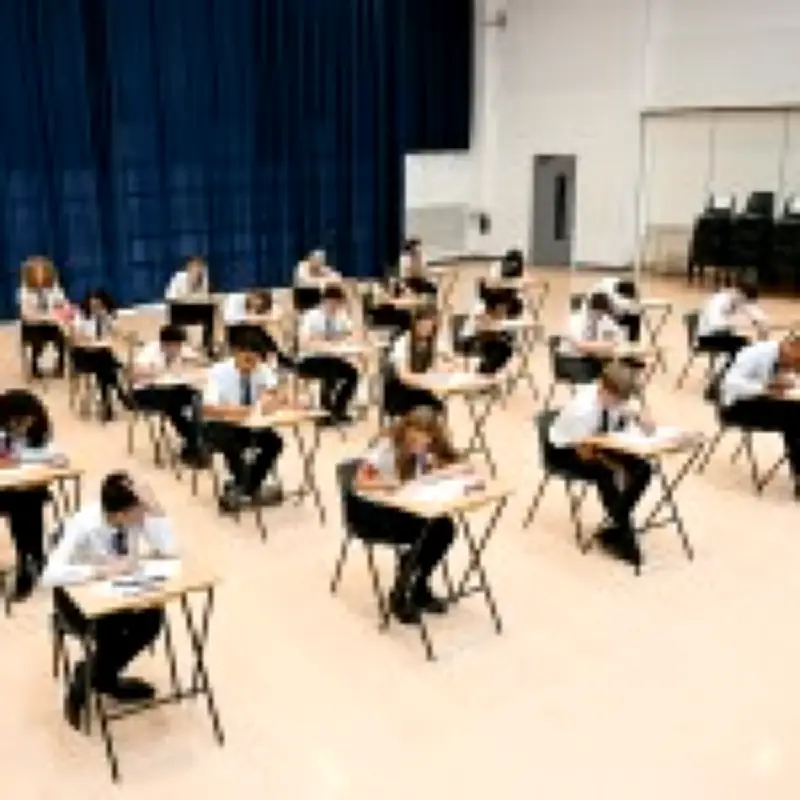
I vividly remember the morning of my first exam. After weeks of anticipation, I struggled to eat my jam on toast, feeling sick with nerves. The hours of work, sleepless nights, and forsaken socialising all felt like necessary sacrifices. But as I finished my final paper, I smiled, knowing I would never sit a GCSE exam again. Yet, hearing younger students being told off by an invigilator for shouting outside the exam room reminded me that they will not have to endure this excessive stress.
Finishing my own exams less than a week ago, the impressions of stress and fatigue are still fresh. I hated revision—it was boring and pointless. Many classmates share my view, and while slightly miffed that they had to take the exams themselves, they are glad younger learners will have a different experience. Teachers have also shown more enthusiasm for their subjects since the change, as they no longer have to teach with just one exam in mind.
The Case Against GCSEs
GCSEs have been in place, broadly unchanged, for 40 years. It is surreal to think my mother sat the same exams as me, even before the internet existed. Lord Kenneth Baker, the politician who introduced GCSEs, now calls them 'Edwardian' and says they have 'run their course'. A study from University College London found that exam stress at 15 can increase the risk of depression and self-harm in early adulthood. In a time when mental health is widely discussed, ignoring such a major factor seems foolish.
GCSEs feel like a memory test, not a fair evaluation. All my homework, lessons, and study sessions culminated in a few pages of hastily scribbled ink, making me feel disillusioned. When I think of Year 10 and Year 11, I will not remember my amazing teachers or interesting subjects—only the hours spent mindlessly making revision cards.
New Approaches and Parental Concerns
Broader, lower-stakes testing means students are not pushed to breaking points, and curricula can support academic foundations and interests. However, some parents worry about their children's future opportunities if they lack traditional qualifications. It is a reasonable fear in a world where CVs are scanned in under 30 seconds, but universities and employers do not weigh GCSEs as heavily as the effort they demand.
I do not regret sitting my GCSEs—they taught me discipline and stress management. But I am glad future students will be free from the stress and boredom of exams, able to enjoy and take interest in their subjects. After all, that is what education should be about.