The Scottish Greens have unveiled what critics are calling 'madcap' proposals to abolish homework for all primary school pupils and gradually phase out traditional examinations in secondary schools. These radical suggestions form part of the party's manifesto for the upcoming Holyrood elections, representing one of the most dramatic overhauls of conventional schooling ever proposed by a mainstream political party in Scotland.
Homework Under Fire
The Greens argue that homework in primary education can negatively impact learning outcomes due to younger children's 'lack of motivation for additional schoolwork.' The party further contends that homework exacerbates educational inequality by disadvantaging pupils without access to necessary technology and learning resources at home, or those whose domestic circumstances make completion challenging.
Independent MSP Fergus Ewing, representing Inverness and Nairn, launched a scathing attack on the proposals, stating: 'The wine bar revolutionaries must have been glugging too much Chablis when they came with this madcap wheeze. Their time in Government wreaked havoc with the economy. The main parties must before the Scottish elections rule out any deal with the Greens, who should not be within a thousand miles of government.'

Ewing emphasized the fundamental importance of traditional educational methods, adding: 'Children need to learn to read, write, count and spell. To develop literacy and numeracy skills they need the discipline of having to work at things to learn and make progress. Homework and exams are vital to children's education.'
Personal Attacks and Political Criticism
The criticism extended to personal remarks about Scottish Greens co-leader Ross Greer, with Ewing highlighting that Greer left his politics and psychology course at Strathclyde University to become Yes Scotland's communities co-ordinator during the independence referendum before entering politics. 'Just because the Green leader Greer didn't bother to finish his education, when he quit university, shouldn't mean he deprives others of the chance and the right to do so,' Ewing stated.
Scottish Conservative education spokesman Miles Briggs echoed these concerns, describing the proposals as 'bonkers' and warning of 'the dangers the extremist Greens pose to Scotland and our education system.' Briggs defended homework as 'an important part of school life, helping pupils to develop their understanding and knowledge' and teaching 'valuable life-skills' that should not be discarded.
The Greens' Educational Vision
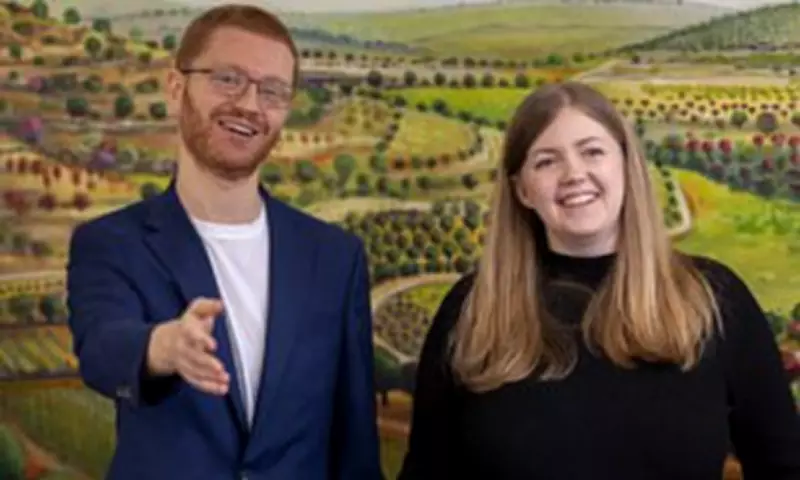
Ross Greer and Gillian Mackay, co-leaders of the Scottish Greens, have positioned their proposals as 'one of the boldest overhauls of Scottish education in decades.' The party cites commissioned research indicating homework in primary school offers minimal proven benefits and can potentially harm learning by dampening curiosity and turning education into something children dread rather than enjoy.
Greer elaborated: 'Homework in primary school offers little, if any, proven benefit. In fact, the evidence suggests it can do more harm than good. Children need time to play, to explore and to socialise with each other after school. Homework gets in the way of these learning opportunities.'
Examination System Overhaul
The manifesto also commits to moving away from what the Greens describe as Scotland's 'Victorian-era system of high stakes exams.' The party proposes that a greater proportion of each pupil's grade should derive from work completed throughout the academic year rather than relying heavily on final examinations.
Greer criticized the current examination framework: 'High stakes end of term exams have never been a fair or accurate way of measuring a young person's knowledge or their abilities. A bad cold or a poor night's sleep caused by a chaotic home life can mean students missing out on the grade they really deserved. That just isn't right.'
He referenced the Scottish Government's own expert review, which recommended reducing reliance on high-stakes final exams, accusing the government of refusing to implement necessary changes. 'Scottish education needs to be pulled into the 21st century, not held back by this timid thinking,' Greer asserted.

Government Response and Current Policy
A Scottish Government spokesman acknowledged ministers had agreed with the Hayward Review recommendation that assessment methods in the senior phase 'should change to have less reliance on high-stakes final exams.' The spokesman clarified: 'This means that, in the future, internal and continuous assessment will contribute to a greater percentage of a final grade.'
The government highlighted existing changes, noting that written exams have already been removed from more practical courses like metalwork and woodwork, where coursework and practical assessment better reflect subject nature. However, the spokesman emphasized: 'The Government has been clear, however, that taking steps to rebalance assessment does not mean that exams will be removed.'
Regarding homework policies, the spokesman added: 'It is also appropriate that headteachers and teachers in our primary schools are empowered to make decisions for the children and young people they support every day, this includes decisions on the use of homework.'
The debate over these radical education proposals continues to intensify as election approaches, with fundamental questions being raised about the future structure of Scottish schooling and the balance between traditional methods and progressive reform.