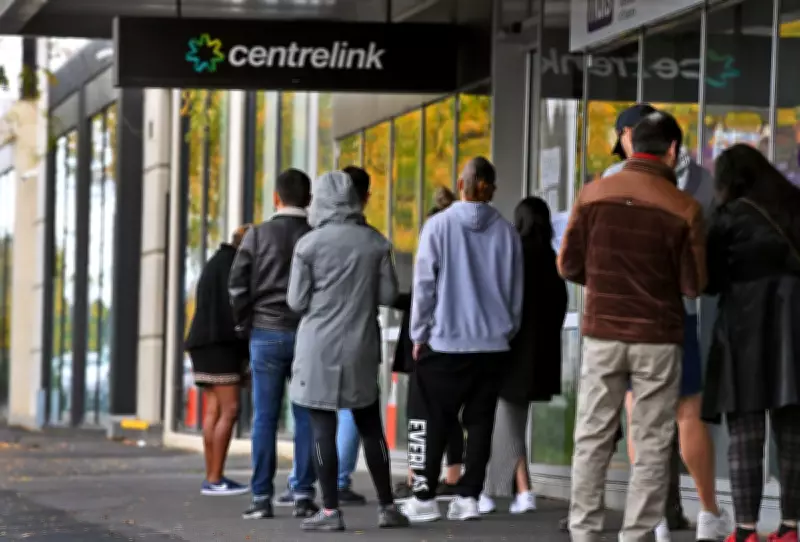
Robodebt Whistleblower Exposes Systemic Failures in Australian Welfare Debt Scheme
A whistleblower has come forward to reveal deep-seated issues within Australia's controversial Robodebt scheme, shedding light on the profound lack of justice and accountability for victims of the failed Centrelink debt recovery program. The revelations underscore a systemic breakdown in governance and oversight that has left many Australians grappling with financial and emotional distress.
Uncovering the Flaws in the Debt Recovery System
The Robodebt scheme, initiated by the Australian government, was designed to automate the recovery of overpayments from welfare recipients through Centrelink. However, the whistleblower's account details how the program relied on flawed algorithms and inaccurate data matching, leading to thousands of incorrect debt notices being issued. This automated approach failed to account for individual circumstances, resulting in widespread errors and unjust financial burdens on vulnerable citizens.
Key issues highlighted include:

- Inadequate verification processes that allowed debts to be raised without proper evidence.
- A lack of human oversight, with automated systems making critical decisions without review.
- Systemic delays in addressing complaints and rectifying mistakes, exacerbating the harm caused.
Accountability and Justice Remain Elusive for Victims
Despite widespread criticism and a subsequent government inquiry, the whistleblower argues that true accountability has not been achieved. Many victims of the Robodebt scheme continue to face unresolved debts and limited recourse for compensation. The failure to hold responsible parties accountable has eroded public trust in governmental institutions and highlighted gaps in regulatory frameworks.
The whistleblower's testimony emphasizes that without meaningful reforms, similar failures could recur in other public service areas. Calls for enhanced transparency and independent oversight have grown louder, with advocates pushing for legislative changes to prevent future injustices.
Broader Implications for Welfare Policy and Governance
The Robodebt scandal serves as a cautionary tale about the risks of over-reliance on technology in public administration. It raises important questions about the balance between efficiency and fairness in welfare systems, and the need for robust safeguards to protect citizens' rights. As Australia moves forward, lessons from this debacle must inform policy decisions to ensure that accountability and justice are prioritized in all governmental operations.
In summary, the whistleblower's revelations about the Robodebt scheme expose critical failures in Australia's approach to welfare debt recovery. The lack of accountability and justice for victims underscores the urgent need for systemic reforms to restore integrity and trust in public institutions.