A new animated short film featuring the voices of Jeremy Irons and Liv Tyler is being released to combat negative perceptions of dyslexia, following controversial remarks by US President Donald Trump and research indicating that current descriptions of the condition leave children feeling hopeless.
Background and Inspiration
The initiative comes after President Trump last month referred to California Governor Gavin Newsom as having dyslexia and being 'dumb'. Newsom responded on social media, telling children with learning disabilities not to let anyone bully them, emphasising that dyslexia is a strength, not a weakness.
The charity Made By Dyslexia, which produced the film, defines dyslexia as a 'brilliant and different way of thinking' and advocates for it to be seen as a learning difference. Their survey of 5,000 dyslexic individuals and their families, including 2,000 in the UK, found that three-quarters felt online information overemphasises challenges while neglecting strengths such as problem-solving and imagination.

Research Findings
90% of respondents believed that existing descriptions negatively impact a child's future belief in themselves. 55% reported that terms like 'lifelong learning disorder' and 'word-blindness' caused hopelessness, and 32% found them frightening. Additionally, three-quarters of respondents felt that schools lacked understanding of the strengths associated with dyslexia.
The Animation: What Is Dyslexia?
The animation, which has been in development for over a year and premieres in London on Saturday, aims to rewrite 'outdated narratives' by highlighting that dyslexic brains process information differently. It follows a young girl named Lola who, after searching online for information about her dyslexia, is met with a bleak picture of her future. However, her perspective changes when she meets a dyslexic inventor who introduces her to the achievements of dyslexic people throughout history, including boxer Muhammad Ali and car magnate Henry Ford.
Voices and Characters
Jeremy Irons voices the wise inventor, while Liv Tyler also stars in the film. Irons said dyslexic people should have access to information that allows them to 'understand their extraordinary strengths'. He noted that coming from a family of creative dyslexics, he knows how important it is to ensure all dyslexic children understand their strengths, and highlighted the role dyslexics have played in many of the world's most significant innovations.
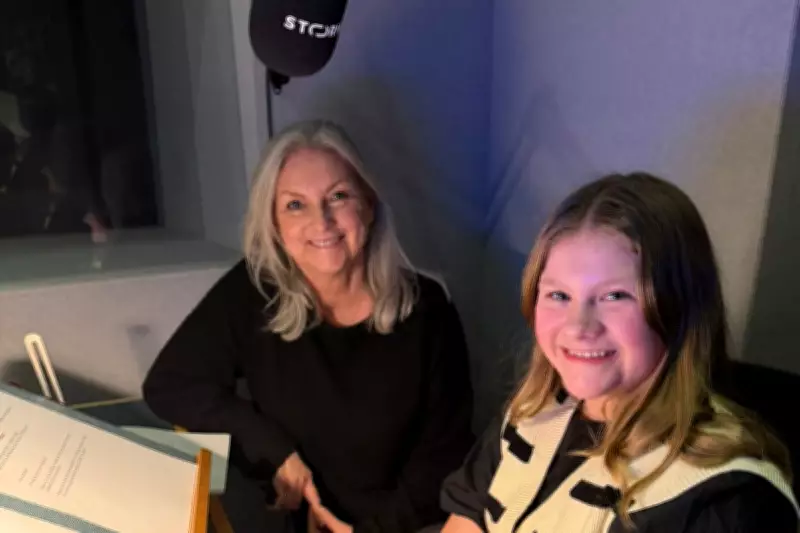
Hope Day, a 13-year-old dyslexic actress who voices Lola, said there is so much online that makes dyslexic children feel like something is wrong with them. She shared that discovering Made By Dyslexia helped her find what she is really good at, and she wanted to be part of the film to help other children see that being dyslexic gives them brilliant strengths.
Campaign Goals
The charity hopes that people watching, liking, and sharing the film will help it reach the top of search results, so that when children and parents look for information about dyslexia, they are 'met with an empowering story'. Kate Griggs, executive producer of the film and founder of the charity, said that every year millions of children search online to understand what dyslexia means for their future, but what they find is often framed around difficulty. She stressed the importance of changing that first impression to help young people see confidence, capability, and their bright futures.