Europe is grappling with severe economic and political repercussions following the US-Israeli attack on Iran on 28 February, according to a report from the Brussels Institute for Geopolitics. Skyrocketing oil and gas prices, increased revenues for Russia, a shortage of air defences for Ukraine, and the risk of terrorism and refugee crises are among the challenges facing the continent.
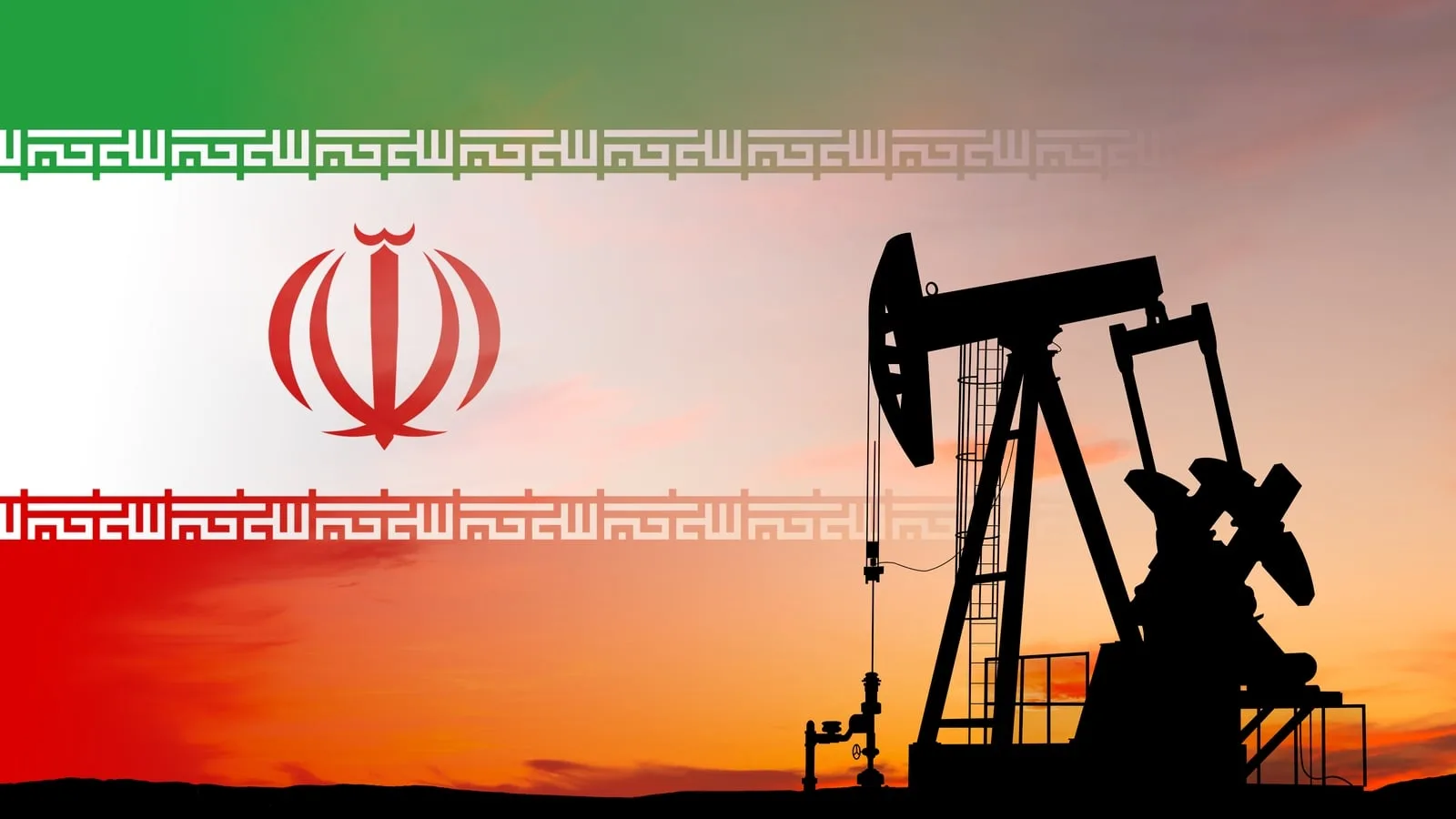
The newly appointed Supreme Leader of Iran, Mojtaba Khamenei, has declared the Strait of Hormuz—through which 20% of the world's oil transits—closed to shipping. Despite reported talks with French and Italian officials, there is no sign of the waterway reopening. This week, five oil vessels in the region were struck by missiles.
Oxford Economics warned that if Brent crude averages $140 per barrel for several months, inflation would widen significantly, dealing a blow to consumer spending. The surge in oil prices will elevate transportation costs and push up food prices, heightening the risk of second-round inflation effects.
EU leaders are set to discuss high energy prices at a summit in Brussels next Thursday. Household electricity prices have already risen sharply since Russia's invasion of Ukraine and remain 36% above the 2014-2020 average. Thijs van de Graaf, associate professor at Ghent University, warned that a prolonged conflict could spark a global energy crunch.
An EU diplomat lamented that the causes are out of Europe's control, yet the effects impact businesses and citizens. France has carried out 500 checks at petrol stations, and Italian Prime Minister Giorgia Meloni warned against speculators exploiting the crisis. Gas prices in Europe are up 75% since the start of the year, with wholesale prices fluctuating wildly.