A new analysis has revealed that the first 14 days of the US-Israel war on Iran produced approximately 5 million tonnes of greenhouse gas emissions, surpassing the annual emissions of 84 of the world's lowest-emitting countries combined. The study, conducted by the Climate and Community Institute, highlights the severe climate cost of the conflict.
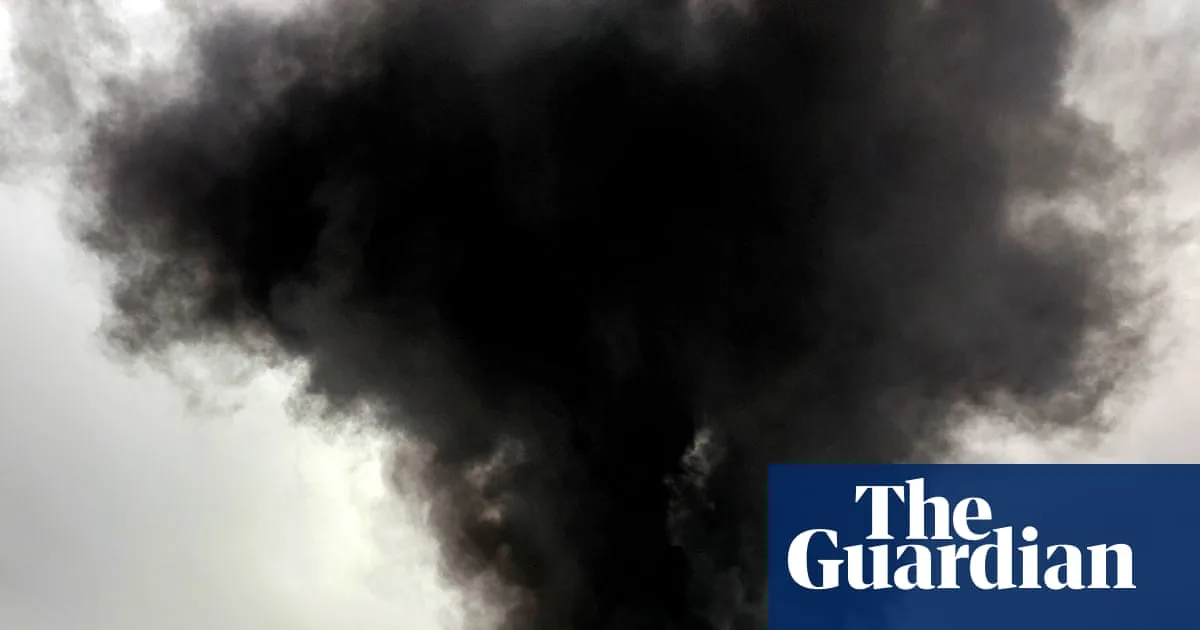
The largest source of emissions came from destroyed buildings, with an estimated 20,000 civilian structures damaged, contributing 2.4 million tonnes of CO2 equivalent. Fuel consumption by military aircraft and support vessels—including US heavy bombers flying from as far as England—accounted for 529,000 tonnes. Attacks on fuel storage depots, including a strike that set millions of litres ablaze over Tehran, emitted an estimated 1.88 million tonnes.
Damaged military hardware—including aircraft, naval vessels, and missile launchers—added a further 172,000 tonnes, while munitions such as bombs and drones contributed 55,000 tonnes. The total over 14 days amounts to 5,055,016 tonnes, equivalent to the annual emissions of a medium-sized fossil fuel-intensive economy like Kuwait, or roughly 131 million tonnes if projected over a year.
Patrick Bigger, a research director at the institute, stated: “Every missile strike is another downpayment on a hotter, more unstable planet, and none of it makes anyone safer.” He added that fossil-fuelled geopolitics is incompatible with a livable planet.
The lead author, Fred Otu-Larbi from the University of Energy and Natural Resources in Ghana, warned that emissions are likely to increase rapidly as the conflict continues, particularly due to the targeting of oil facilities. “Burning up the annual emissions of Iceland in two weeks is something we really cannot afford,” he said.
The analysis comes as scientists warn that the global carbon budget for limiting heating to 1.5C is being depleted rapidly, with current rates suggesting exhaustion by 2028. Bigger also noted that disruption to fossil fuel supplies could spur further drilling, exacerbating the climate crisis.