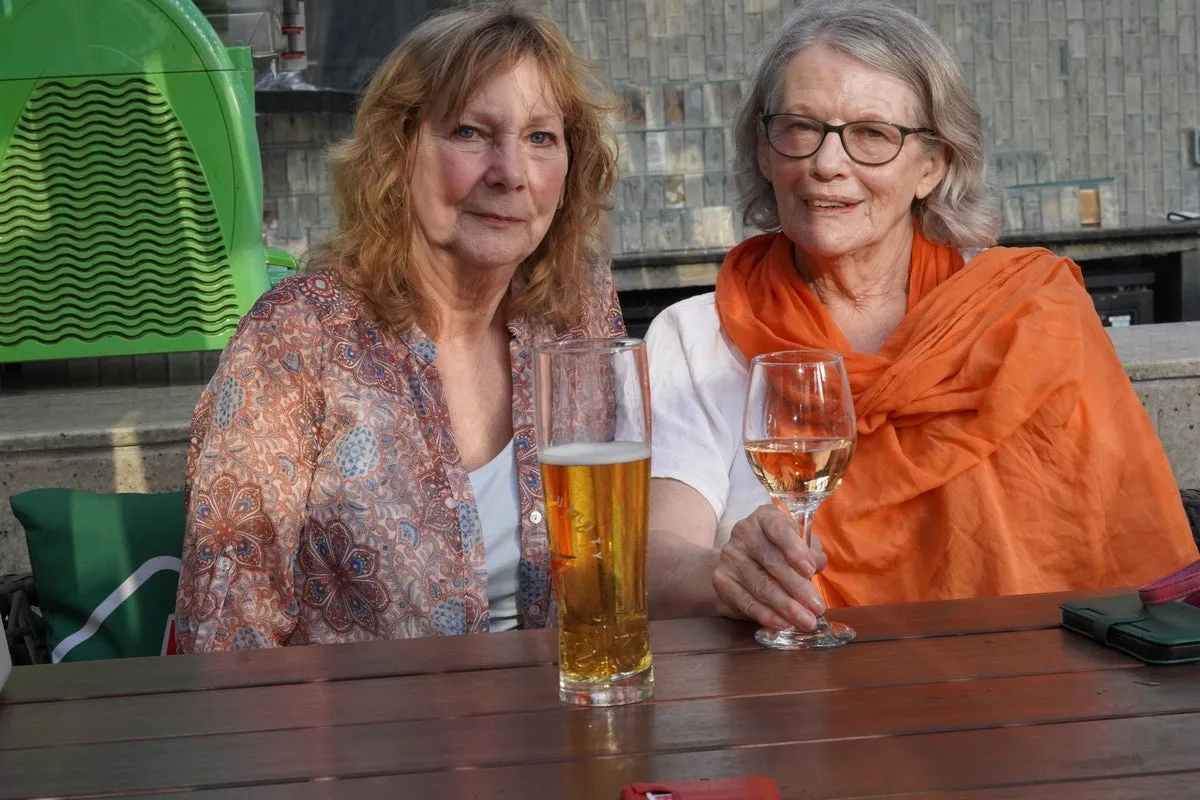
British tourists Alison Woodward, 71, and Gillian Balmer, 70, have described their terror after being caught in a rapidly escalating conflict in the Gulf, with missiles and drones intercepted over Dubai. The pair, who arrived on February 25 for a beach holiday and birthday celebration, were due to fly home on March 2 but remain stranded after Iran launched retaliatory strikes on key US allies in the region.
“It was really scary. We were shaking,” Alison told The Independent, recounting the air alerts and loud explosions that have echoed across Dubai since Saturday morning. The strikes followed coordinated US-Israel attacks on Iran, prompting Iran to launch 137 missiles and 209 drones at the UAE, most of which were intercepted, according to authorities. Dubai International Airport, one of the world’s busiest, remains closed after an Iranian strike injured four people.
Living in a high-rise apartment in Dubai Marina has added to their anxiety. “We’re on the 17th floor, and that doesn’t feel very safe,” Gill said. “The government’s safety advice is to shelter indoors and stay away from glass windows. But the entire building is a glass façade.” On Sunday, when sirens warned of an incoming missile, the two women hurried downstairs to the lobby, where they remained for several hours.
Other travellers have shared similar fears. An American couple from California, both doctors, said they saw missiles flying past their hotel. “We’ve seen this in movies. Now we’re living it,” the wife said, adding that their five-year-old daughter has been terrified by the explosions. Martin, an Irish IT professional, and his wife were transiting through Dubai after their honeymoon when their journey home was disrupted.
Despite the danger, Alison and Gillian are trying to remain calm. “We’re trying to manage this with the British spirit, and a cup of tea. That solves everything,” Alison said. However, they are reluctant to risk travelling. “I don’t want to be in the sky while this is happening.” The Foreign Office has updated its travel advice, warning against all but essential travel to parts of the UAE.