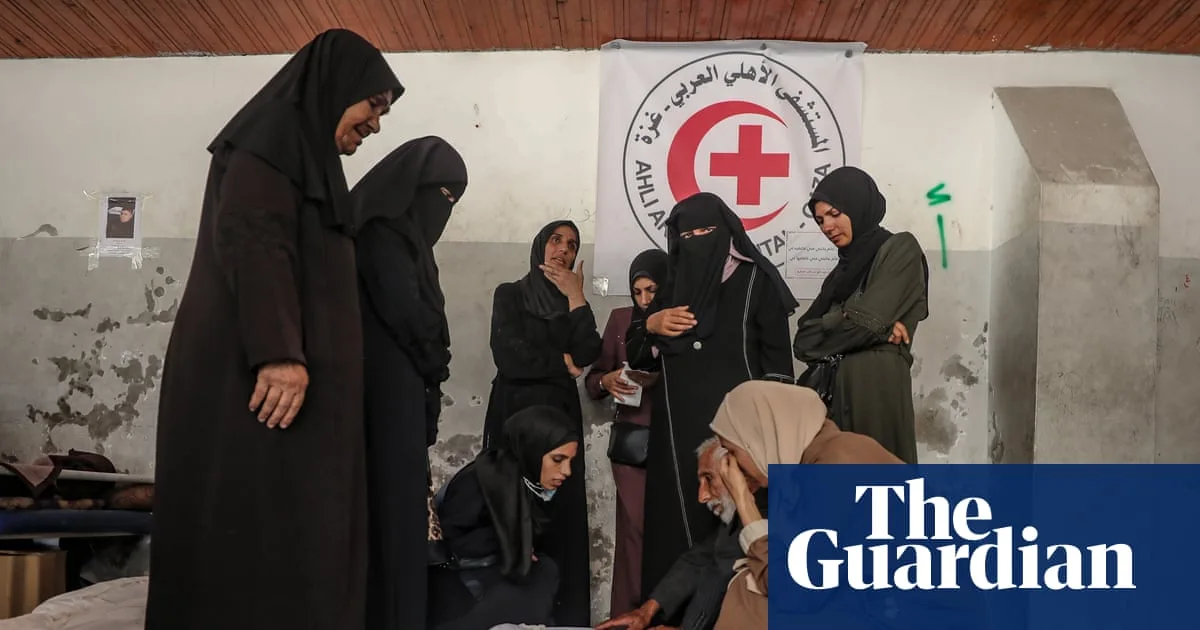
Palestinians in Gaza are increasingly fearful that the fragile ceasefire, which took effect nine days ago, could collapse at any moment. Their anxieties were heightened on Sunday when a wave of Israeli airstrikes hit southern, northern and central Gaza, shattering the brief period of calm. Israel said the strikes were in response to an attack on its soldiers by Hamas militants earlier in the day.
For Ismail Baba, a 48-year-old father of four from Beit Lahiya who had been displaced 11 times during the war, the ceasefire initially brought a sense of relief. Yet the resumption of bombing has renewed his fears. 'I felt the end of the false sense of safety we were clinging to,' he said. 'We had barely started to move freely between areas again, and now we are back to fear and caution.'
The current situation draws parallels to March, when a previous ceasefire collapsed after Israel resumed bombing and declined to move to a second phase that would have permanently ended the war. The present truce is also in its first phase, with deep disagreements remaining over implementing a second phase for a permanent end to hostilities. Israeli troops still occupy about 50% of Gaza, marked by a withdrawal line that civilians may unknowingly cross.
On Friday, a car carrying a family strayed over this line in Gaza City, and Israeli tanks fired two shells, killing 11 members of the Abu Shabaan family, including seven children. Civil defence officials noted there was no way for people to know where the line was. Israeli officials have since said they will physically mark it with concrete blocks.
Despite the violence, some cling to hope that the ceasefire can hold. Baba expressed a desire for the truce to continue so that social, economic and political life can improve, allowing eventual return to their homeland. 'I know the north has become a disaster zone, unfit for living, yet we still have the will to rebuild and start again,' he said.