An Italian-born astronomer who had spent her career studying galaxies and celestial phenomena found herself unprepared for the emotional impact of a total solar eclipse. Dr. Elena Rossi, a doctorate in astrophysics now living in the UK, described the 2017 Great American Eclipse as a moment that 'shook me to my core.'
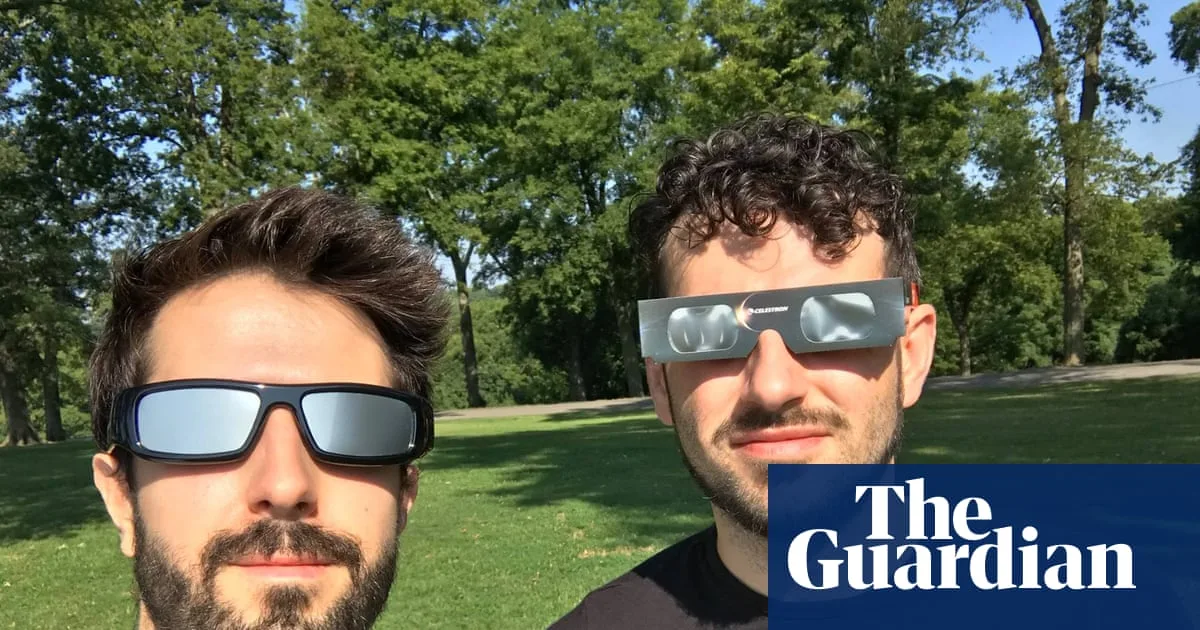
Having missed the 1999 total eclipse visible from the UK and Europe, Rossi chased partial eclipses for 18 years, convinced the difference from totality was minimal. But when she travelled from London to Tennessee in August 2017, she discovered the gap was vast. 'I knew the theory, but I was not ready for the experience,' she said.
The event was nearly ruined by clouds, forcing Rossi and her husband to chase the last rays by car to a printing company car park in Nashville. They glimpsed only about 50 seconds of totality before clouds blocked the view, but that was enough. 'Everything went quiet as birds landed and hushed, believing night was imminent. My husband and I found ourselves moved to tears.' Rossi says she gained a new appreciation for the cosmic coincidence that the moon and sun appear the same size from Earth.
That experience transformed her into an 'eclipse hunter.' In April 2024, she travelled to Mazatlán, Mexico, for the second Great American Eclipse, enjoying over four minutes of totality. 'The laughter and joyful chatter of tens of thousands turned into a profound and quasi-religious silence,' she recalled. Rossi has now booked trips to Spain for the total eclipses on 12 August 2026 and 2 August 2027, the latter set to be the longest of the century with over six minutes of totality.