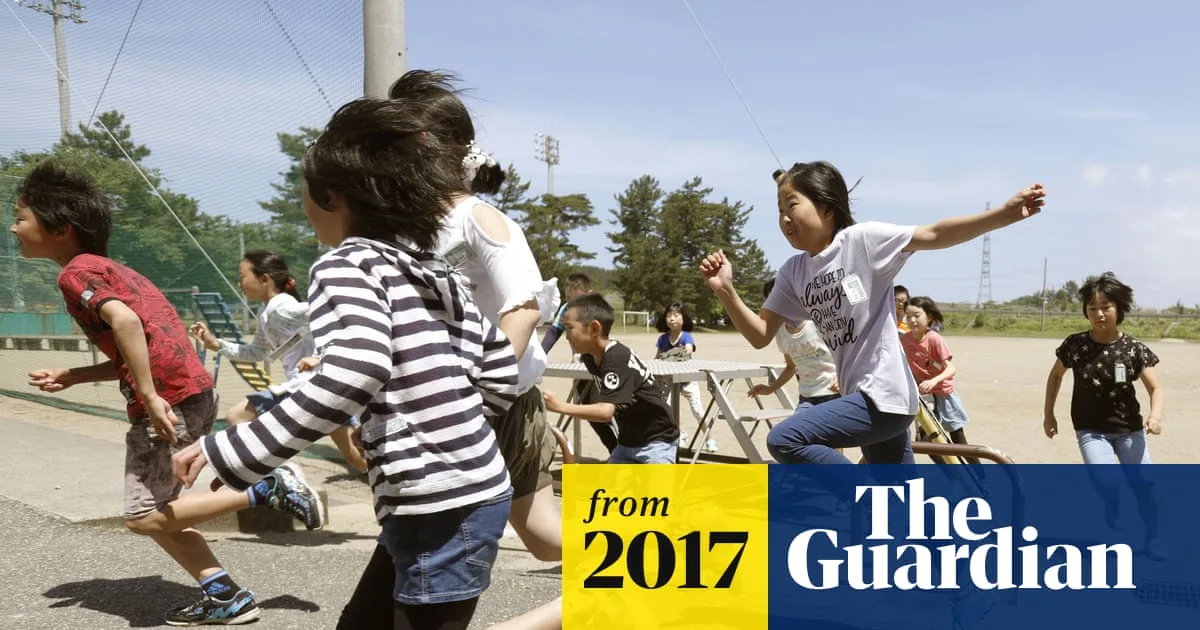
Towns across Japan are staging civil defence drills as the threat of North Korean missile attacks becomes increasingly real to a nation more accustomed to natural disasters. In Sakata, on the north-west coast, sirens sent primary school children rushing from playgrounds to gymnasiums, while residents crouched behind walls or lay in rice fields, following public address instructions to take cover. The preparations evoke memories of second world war air raid precautions, but the enemy is now a nuclear-armed neighbour.
The heightened alert follows a week of bellicose rhetoric between US President Donald Trump and Pyongyang, with Trump warning of “fire and fury” and North Korea detailing plans for an “enveloping fire” around Guam. All 14 missiles North Korea has launched this year were directed towards Japan’s coast, including two intercontinental ballistic missiles tested last month. A missile fired directly at Japan would leave residents less than ten minutes to seek shelter, experts say.
Pyongyang has announced that four Hwasong-12 intermediate-range missiles would pass over three Japanese prefectures, including Hiroshima, en route to waters 30-40km off Guam. In response, Japan’s defence minister, Itsunori Onodera, declared that Japan has the constitutional right to shoot down the missiles, as they represent a threat to the nation’s existence. The defence ministry has deployed PAC-3 interceptor batteries in four regions along the probable flight path, a symbolic gesture that critics argue is technically unfeasible.
John Nilsson-Wright, a senior research fellow at Chatham House, expressed scepticism about Japan’s ability to intercept missiles flying at high altitudes towards a target more than 1,500 miles away. “I would be surprised if Japan is ready or equipped independently to do this,” he said. The sabre-rattling comes as Japan’s defence white paper concluded that North Korea’s nuclear weapons had reached a new stage, possibly including the ability to miniaturise warheads—a view reportedly shared by US intelligence.
Prime Minister Shinzo Abe has refrained from criticising Trump’s incendiary remarks, instead using the crisis to bolster his case for a more robust military. However, his plans to revise Japan’s pacifist constitution remain stalled amid political scandals. Jeff Kingston, director of Asian studies at Temple University in Tokyo, noted that “in the spirit of not wasting a crisis, Team Abe is making a case for beefing up Japan’s capabilities” even as the public absorbs the ominous rhetoric between Washington and Pyongyang. The standoff resonates deeply in Japan, which last week commemorated the 72nd anniversary of the atomic bombings of Hiroshima and Nagasaki.