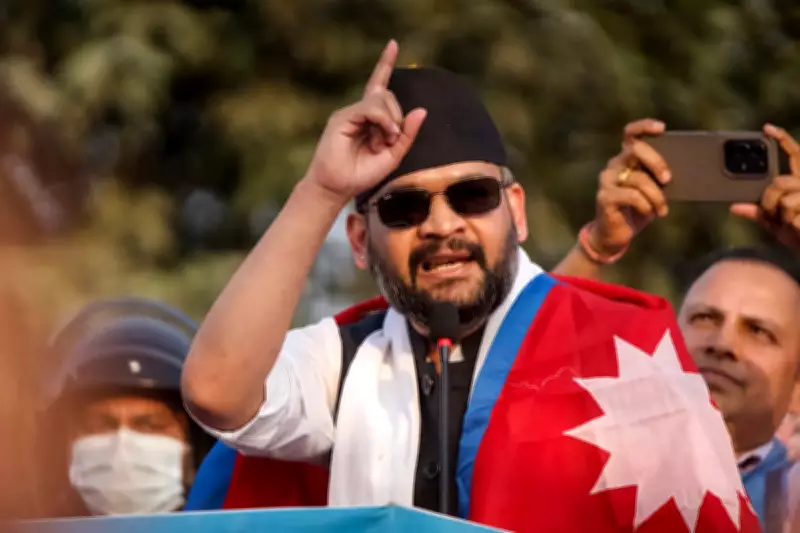
In a groundbreaking move, Nepal is poised to make history by issuing its first-ever official apology to the Dalit community for centuries of systemic discrimination and injustice. The government, under the leadership of Prime Minister Balendra Shah, has announced plans to deliver this formal apology within the next 15 days, marking a significant step toward addressing deep-seated social inequalities.
Unprecedented Acknowledgement of Historical Wrongs
The apology will formally recognise the historical injustice, discrimination, and deprivation inflicted upon Dalits and other marginalised groups throughout Nepal's history. Dalits, who constitute over 13 per cent of the country's population, have long been positioned at the lowest rung of the ancient caste hierarchy, facing severe social and economic exclusion.
Activists Welcome Move but Call for Concrete Action
Rights activists across Nepal have welcomed the government's decision as a crucial milestone in the fight against caste-based discrimination. However, they emphasise that the apology must be accompanied by effective implementation of anti-discriminatory laws and guaranteed rights for the Dalit community. Many advocates stress that symbolic gestures must translate into tangible improvements in education, employment, and social mobility for historically oppressed groups.

Regional Ripple Effect Across South Asia
Nepal's historic decision has already sparked similar demands for apologies and action from Dalit communities and lawmakers in neighbouring countries. In India, Bangladesh, Pakistan, and Sri Lanka, where caste-based discrimination remains a persistent social issue, activists are calling for their governments to follow Nepal's example. This regional momentum suggests that Nepal's apology could serve as a catalyst for broader social reform throughout South Asia.
The Long Road to Social Justice
While the apology represents a significant symbolic victory, experts caution that addressing centuries of entrenched discrimination requires sustained commitment. The Dalit community's struggle for equality involves complex challenges related to economic opportunity, educational access, and social acceptance. Nepal's government now faces the task of transforming this historic apology into meaningful policy changes that improve daily life for marginalised citizens.
The international community will be watching closely as Nepal implements this unprecedented apology, with many hoping it will inspire similar reckonings with historical injustice worldwide. As Prime Minister Balendra Shah prepares to deliver this landmark statement, the eyes of South Asia—and indeed the world—are fixed on Nepal's courageous step toward social reconciliation.