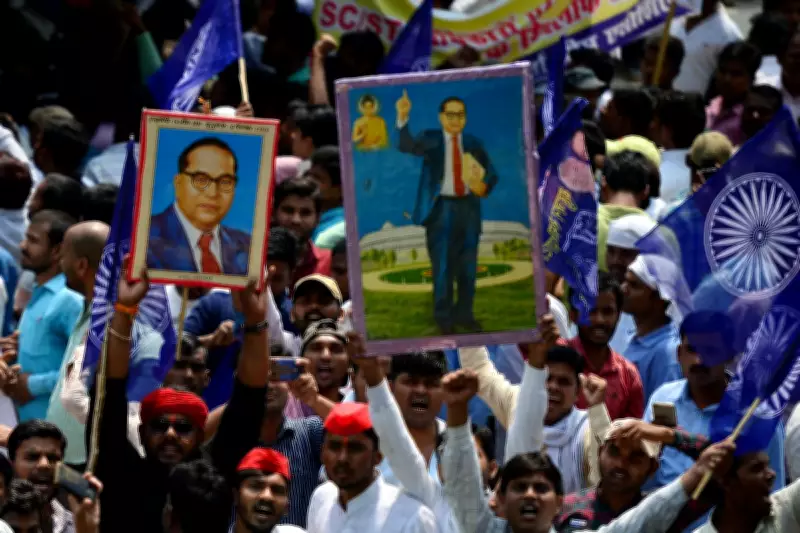
Nepal to Issue Historic State Apology to Dalit Community
Nepal is poised to make history by issuing an official state apology to its Dalit community, formerly known as 'untouchables'. This unprecedented move, announced under Prime Minister Balendra Shah's 100-point reform agenda, is scheduled within the next 15 days. The apology formally acknowledges the injustice, discrimination, and deprivation of opportunities inflicted upon Dalits and other historically marginalised groups by state structures and society.
A Young Leader's Pledge for Reform
Balendra Shah, the 35-year-old rapper and former Kathmandu mayor who became Nepal's youngest prime minister last month, is driving this landmark initiative. His election followed a Gen Z-led protest that dismantled the previous government almost six months prior. The Dalit community, positioned at the bottom of the ancient Hindu caste hierarchy, constitutes over 13 per cent of Nepal's 30 million population.
According to the government's agenda, the apology will be followed by concrete measures focused on social justice, inclusive restoration, and historical reconciliation. Rights activists have widely welcomed this historic acknowledgment of generations of caste-based discrimination and systemic exclusion.

Centuries of Discrimination and a Call for Healing
Dalit activist Hira Lal Bishwakarma emphasised the significance of the state's admission. He noted that while authorities previously claimed such discrimination should not exist, they never formally admitted to its persistence. "Before moving past any historically tragic event, there must be an acknowledgment that the event occurred. Only then can reform efforts be honest," he told Nepal's Setopati newspaper.
Saraswati Nepali, president of the Dalit Society Development Forum in Baitadi, described the apology as "like a balm for our wounds." However, she stressed that for complete healing, the government must effectively ensure all guaranteed rights to deliver justice and dignity. She recalled childhood experiences of being barred from sharing water jars with classmates.
Despite Nepal declaring itself an "untouchability-free nation" in 2006 and criminalising caste-based discrimination in 2011, along with a 2022 National Assembly resolution on Dalit rights, no public apology had been issued until now. The Kathmandu Post editorial cautioned that enacting real change requires aggressive implementation of anti-discriminatory laws, expanded access to education and jobs, and accountability for caste-based violence.
Regional Ripple Effect: Calls for Apology Across South Asia
Nepal's decision has ignited similar demands in neighbouring India, where Dalits face comparable, if not more severe, discrimination. Indian Dalit lawmaker Chandrashekhar Azad directly challenged the Lok Sabha, asking when parliament would apologise for historical injustices, citing Nepal's commitment.
"When will this parliament apologise to those discriminated for thousands of years and even today are forced to fight for basic necessities, such as food, clothing and shelter," he stated in Hindi. India's caste system, dating back millennia, remains influential in social and political life, despite a constitutional ban on discrimination since 1950 and affirmative action policies.
The Indian government plans to collect caste details in its next population census, the first such effort in 95 years, aiming to refine affirmative action based on current data rather than outdated figures.
The Wider South Asian Context
Bangladesh's Prime Minister Tarique Rahman, after his February election victory, spoke of an inclusive country for all citizens, including Dalits. However, Bangladesh has never issued a formal apology to its estimated 5.5 to 6.5 million Dalits, who suffer entrenched socio-economic disadvantages.
In Pakistan, Dalits—officially 'scheduled castes'—number 849,614 per the 2017 census, though activists believe the true figure is millions higher, mostly in Sindh province. They remain confined to stigmatised occupations like manual scavenging and leather work.

Sri Lanka's caste discrimination, while considered less severe, still denies some communities access to religious sites and traps them in hereditary work. Meanwhile, Afghanistan's Taliban has enacted a penal code creating a new de facto caste system, granting immunity to religious leaders and imposing harsh punishments on the working class.
Across South Asia, Dalits consistently report lower literacy, higher poverty rates—about 42 per cent live in poverty—and minimal representation in key institutions. Nepal's apology marks a pivotal step, but as activists underscore, it must be coupled with tangible reforms to dismantle centuries of systemic oppression and inspire regional change.