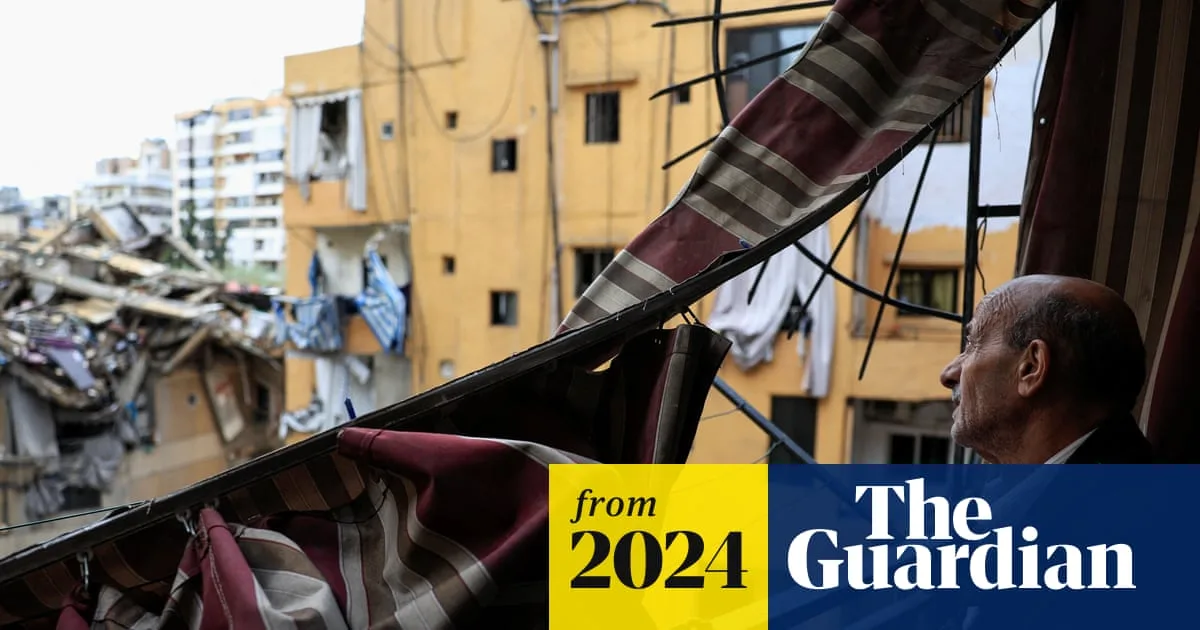
Thousands of displaced people have begun returning to southern Lebanon after a ceasefire between Israel and Hezbollah took effect on Wednesday, but the situation remains volatile with both sides wary of fresh violence.
The truce began at 4am local time following a day of intense Israeli bombardment that killed 42 people in Beirut and the south, while Hezbollah fired rockets into Israel, triggering air raid sirens. Lebanon's motorways were soon thronged with packed vehicles carrying families and belongings south, despite warnings from the Israeli military to stay away while its forces remain in the area.
The Lebanese army announced it would deploy to southern Lebanon under the ceasefire terms, moving units into the South Litani sector in coordination with UN peacekeepers. However, Israeli forces opened fire on several cars attempting to enter a restricted area on Wednesday, and a curfew was declared from 5pm until Thursday morning. Israeli military spokesperson Avichay Adraee warned that troops would not hesitate to engage with any forbidden movements.
Hezbollah, in its first statement since the truce, made no direct mention of the ceasefire and vowed to continue resistance, saying its fighters remain fully equipped and will monitor Israel's withdrawal “with their hands on the trigger”. The US-brokered deal, which is not linked to a Gaza ceasefire, provides for a 60-day staged Israeli withdrawal and Hezbollah moving fighters and heavy weaponry north of the Litani River.
Both sides are seeking to claim victory, but Hezbollah has suffered severe losses, including much of its leadership and degraded military capabilities. The group participated in talks via mediators but has not formally commented on the ceasefire, leaving its supporters to view its survival as a sign of resilience.