Hong Kong's once-vibrant press has largely remained silent or celebrated the 20-year jail sentence handed to pro-democracy media tycoon Jimmy Lai, convicted of sedition and colluding with foreign forces under the territory's national security law. Lai, 78, founder of the now-defunct Apple Daily, received the harshest penalty yet under the legislation, which was imposed by Beijing after months of protests in 2020.
The Hong Kong Journalists Association (HKJA) declined to comment, with chair Selina Cheng stating she was “not free to speak my mind” on the sentencing. The Foreign Correspondents' Club (FCC) also said it had no comment. Ronson Chan, a former HKJA chair, described the lack of response from all five press associations as “abnormal” and suggested it reflected “manipulation by the authority” to detach the case from press freedom issues.
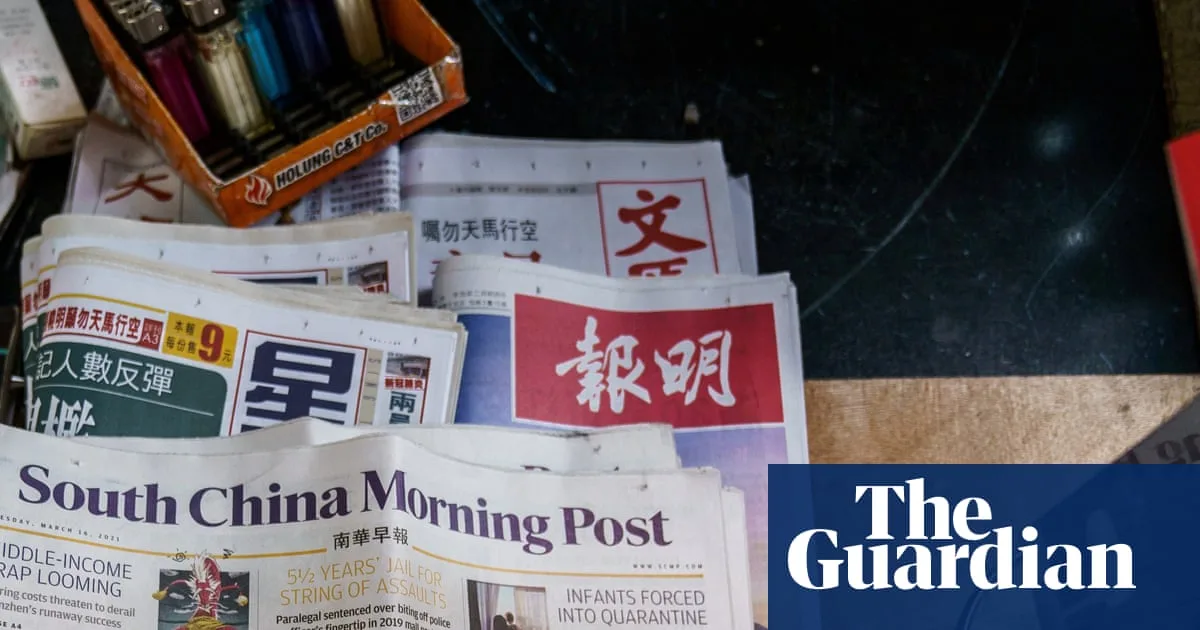
International condemnation came from the US, UK, EU and UN, who called for Lai's release. However, local outlets largely applauded the sentence. The South China Morning Post, owned by Alibaba, argued the case demonstrated the rule of law remains “robust” in Hong Kong. Pro-Beijing outlet HK01 said it “marks the end of that politically chaotic period”, while state-owned Ta Kung Pao declared Lai “forever nailed to the pillar of historical shame”.
Aleksandra Bielakowska of Reporters Without Borders noted that since the security law, media have faced “unprecedented pressure”, including surveillance, threats and harassment, adding “Hong Kong no longer provides space for critical voices”. Beh Lih Yi of the Committee to Protect Journalists urged clarity that “it is the Chinese and Hong Kong authorities” behind the crackdown. The sentencing comes amid a broader decline in press freedom, with analysis showing a sharp drop in FCC statements supporting journalism since the law's enactment.