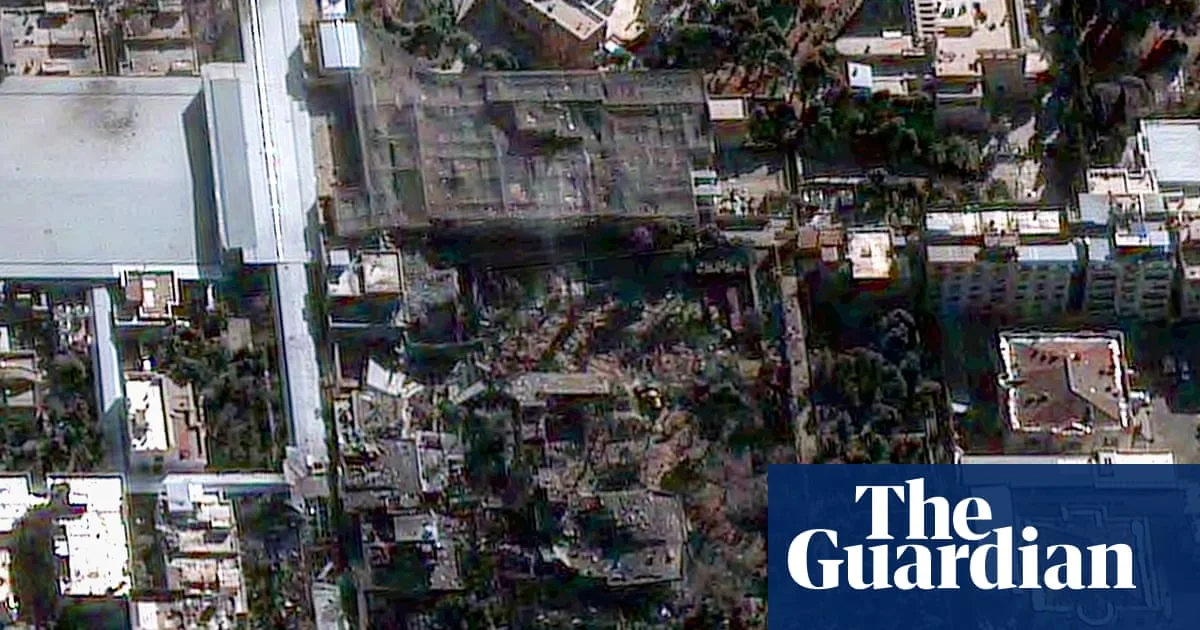
The assassination of Iran's Supreme Leader, Ayatollah Ali Khamenei, was carried out in a coordinated Israeli-US operation lasting just 60 seconds, according to military officials and intelligence sources. The strike, which occurred on Saturday morning, killed Khamenei, seven senior Iranian security leaders, and around a dozen family members in near-simultaneous attacks across Tehran. Forty other senior Iranian officials also died in the offensive, which marks the opening of a broader air campaign by Israel and the US aimed at overthrowing Iran's clerical regime.
The operation was the culmination of decades of intelligence gathering by Israeli secret services, with crucial support from the CIA and other US agencies over the past six months. The timing was determined by CIA intelligence about a meeting of top Iranian officials at a leadership compound in Tehran, confirming Khamenei's presence. Israeli spies had long tracked the Supreme Leader, building a detailed profile of his daily routine and security arrangements.
Experts have described the strike as a tactical and operational surprise, as expectations were for a night-time attack. However, some analysts warn of a potential strategic error. Yossi Melman, an Israeli intelligence analyst, noted that Israel has a history of assassinations that have not eliminated threats, citing Hamas and Hezbollah as examples where leaders were replaced. Amos Yadlin, former head of Israeli military intelligence, acknowledged the surprise but did not comment on long-term outcomes.
Reuel Gerecht, a former CIA targeting officer, said the US provided significant technological assets, but Israel built the human intelligence networks on the ground. He suggested that reports of a photograph of Khamenei's remains being shown to Donald Trump and Benjamin Netanyahu were plausible. The operation highlights the fusion of US technology and Israeli covert networks, though some experts question its strategic wisdom.