Israel has carried out its largest attack on Lebanon since the war with Hezbollah began, killing at least 254 people and wounding 837. The assault prompted Iranian officials to warn that Tehran could withdraw from the ceasefire agreed with the United States overnight.
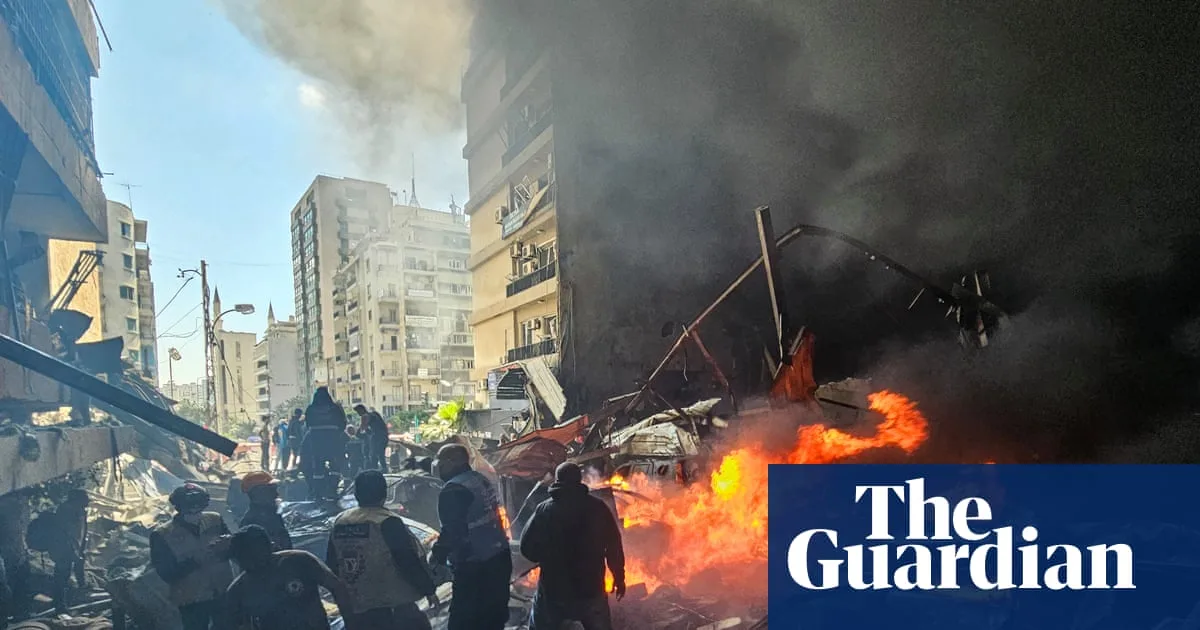
Warplanes levelled several buildings in central Beirut, filling the skies with smoke. Israel's defence minister described it as a 'surprise strike' on the pro-Iranian group Hezbollah. The Israeli military said it bombed more than 100 Hezbollah military sites across Lebanon.
The office of Israel's prime minister stated that the two-week Middle East ceasefire did not include Lebanon, contradicting a statement made by mediator Pakistan. President Trump, after initially remaining silent, said Lebanon was 'a separate skirmish' and not part of the deal.
Hospitals in Lebanon issued urgent calls for blood donations, and the health ministry urged people to clear the streets so ambulances could reach the injured. Social media circulated images of rubble-covered children as people searched for their families.
Iranian sources told Tasnim news agency that the country was ready to exit the ceasefire if Israel persisted in violating the truce in Lebanon. The crisis was discussed by Iran's foreign minister and his Pakistani counterpart.
The United Nations human rights chief, Volker Türk, condemned the strikes as 'horrific', saying such carnage placed enormous pressure on a fragile peace. The Red Cross said it was 'outraged by the devastating death and destruction' in densely populated areas.