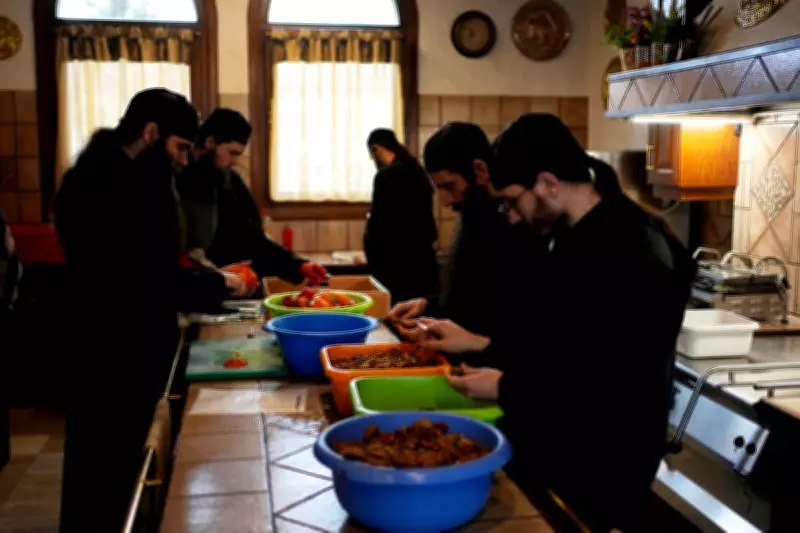
Greek Orthodox Faithful Embrace Ancient Lenten Fast for Easter
In Greece, Orthodox Christians are currently observing a rigorous 40-day Lenten fast, a centuries-old tradition that involves abstaining from meat, dairy, and other animal products. This period of spiritual preparation, leading up to Easter, sees millions of adherents across the country adhering to dietary restrictions rooted in religious doctrine, despite the challenges of modern life.
Strict Dietary Guidelines and Spiritual Significance
The fast, which began on Clean Monday, prohibits the consumption of meat, fish with backbones, dairy, eggs, and olive oil on most days, with some variations allowed on weekends. This practice is not merely about food but is intended to foster self-discipline, reflection, and a deeper connection to faith. Many Greeks view it as a way to purify the body and soul in anticipation of the resurrection of Jesus Christ, which is celebrated on Easter Sunday.
Historical and Cultural Roots: The Lenten fast has deep historical ties to early Christian practices in the Byzantine Empire and remains a cornerstone of Orthodox identity in Greece. It is often accompanied by increased church attendance, prayer, and charitable acts, reinforcing community bonds and cultural heritage.

Modern Adaptations and Challenges
In contemporary Greece, where fast food and convenience diets are prevalent, adhering to the fast can be demanding. However, many have adapted by incorporating plant-based alternatives and traditional recipes, such as lentil soups and vegetable stews. Supermarkets and restaurants now offer specialized Lenten products, reflecting a blend of tradition and modernity.
Impact on Daily Life: The fast influences various aspects of society, from family meals to public events, with some businesses adjusting their menus to accommodate observant customers. Despite occasional debates about its relevance, the practice continues to be widely respected and followed, especially among older generations and in rural areas.
Broader Implications and Future Outlook
This observance highlights the enduring strength of religious traditions in Greece, even as the country navigates economic and social changes. It also underscores a global trend where faith communities maintain ancient rituals in an increasingly secular world. As Easter approaches, the fast serves as a reminder of the cultural and spiritual resilience of Greek Orthodoxy.
Key Takeaways:

- The Lenten fast is a 40-day period of dietary abstinence for Greek Orthodox Christians.
- It involves avoiding meat, dairy, and other animal products to promote spiritual growth.
- Modern adaptations include plant-based foods and commercial Lenten products.
- The tradition reinforces cultural identity and community ties in Greece.
- It reflects broader trends of religious observance amidst contemporary challenges.