The United States and Iran have been engaged in an undeclared military conflict since the 1980s, a struggle that has claimed thousands of lives and shows no signs of abating. For Americans, the conflict began with the 1979 hostage crisis, when Iranian students seized the US embassy in Tehran and held 52 diplomats for 444 days. For Iranians, it started earlier with US support for the Shah and later backing of Iraq during the 1980-1988 Iran-Iraq war.
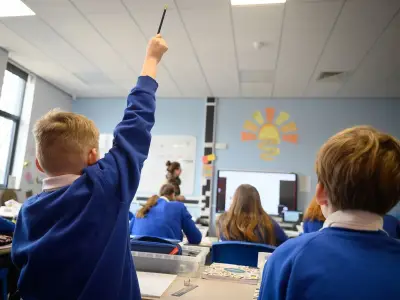
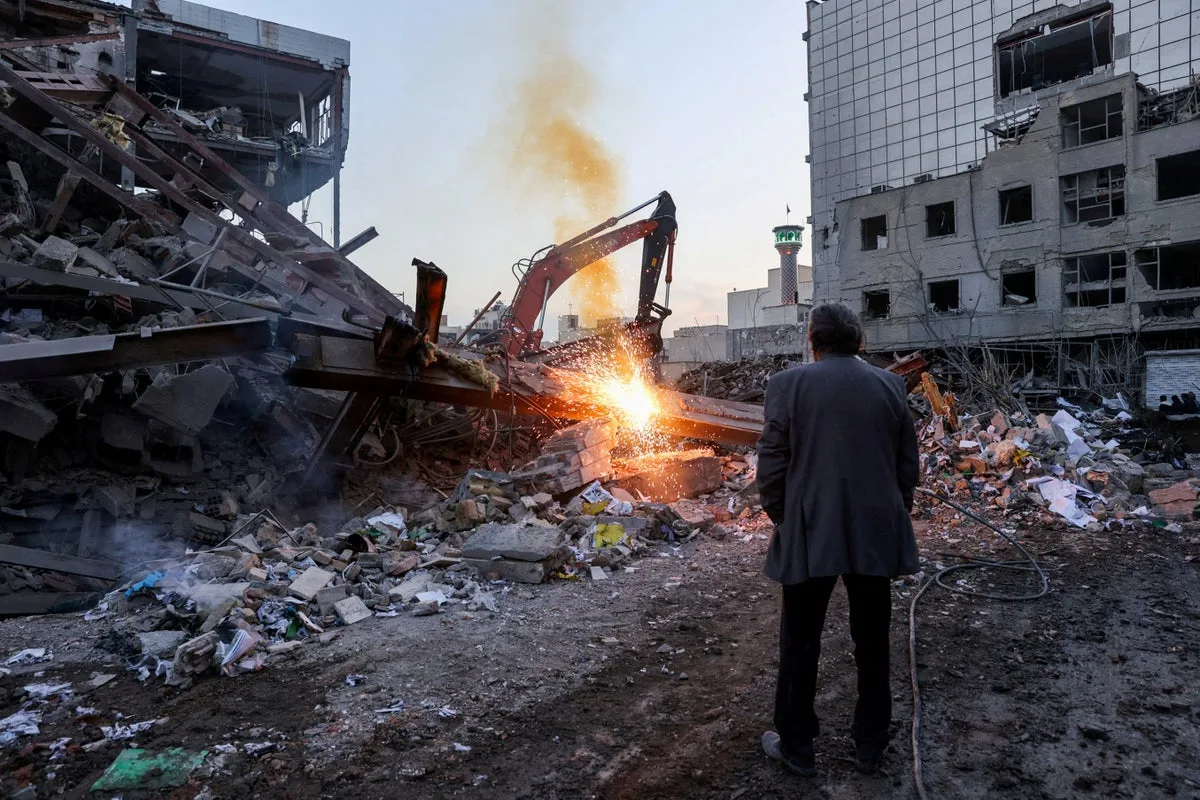
Major incidents have deepened animosity. On July 3 1988, the USS Vincennes shot down Iran Air Flight 655, killing all 290 passengers. More recently, on February 28 2026, a US-Israeli missile struck a girls' school in southern Iran, killing over 150 civilians, mostly children. Iran also shot down Ukraine International Airlines Flight 752 in January 2020, killing 176 people after misidentifying it as a US military aircraft.
The conflict escalated during the 1980s tanker war, when Iraq attacked oil tankers bound for Iran. The US intervened, re-flagging Kuwaiti tankers and engaging Iranian forces. This led to the downing of Iran Air Flight 655, which ultimately forced Iran to accept a ceasefire ending the Iran-Iraq war.
In the 2000s, the conflict became a proxy war. After the 2003 Iraq invasion, Iran supported Iraqi insurgents targeting US forces. This low-intensity conflict wound down when US troops left Iraq in 2011. Later, during the fight against ISIS, the US and Iran cooperated indirectly, but tensions resurged after President Trump withdrew from the nuclear deal in 2017 and reimposed sanctions.
Violence spiked in late 2019 when Iran-aligned militia Kataib Hizballah attacked US forces, prompting US air strikes. This cycle of retaliation continues, with each side viewing the other as an implacable enemy. The undeclared war persists, shaping foreign policies and public perceptions on both sides.