One in four Cubans has left the island in just four years, a mass exodus that reflects deep disillusionment with the revolution. Hatri Echazabal Orta, now in Madrid; Maykel Fernández, in Charlotte, in the US; and Cristian Cuadra, still in Havana for now, were all raised on revolutionary ideals and educated in good state-run schools. Yet each made the same decision to leave, faced with a lack of political openness and poor economic prospects.
Independent demographic studies suggest Cuba is experiencing the world’s fastest population decline, with the population probably already below eight million – a 25 per cent drop in four years, or an average decrease of about 820,000 people a year. The causes are what experts call a “polycrisis”: 68 years of partial sanctions and nearly 64 years of total US embargo, chronic economic crisis, crumbling public services, political repression, and widespread disillusionment with the revolution. The Trump administration is simultaneously stepping up its offensive across Latin America, reinforcing US military deployment in the Caribbean, raiding Caracas to capture the Venezuelan president, and threatening the governments of Panama, Colombia, and Cuba.
Research by economist and demographer Juan Carlos Albizu-Campos Espiñeira, of the Christian Centre for Reflection and Dialogue in Havana, and Dimitri Fazito de Almeida Rezende, of the Federal University of Minas Gerais, found the population far below the government’s 2015 projection of 11.3 million for last year, and even below forecasts for 2050. Between 2022 and 2023 alone, the population plunged 18 per cent due to migration. Deaths have exceeded births for five consecutive years, fertility has been below replacement level since 1978, and one in four Cubans is now over 60. Most emigrants are aged 15 to 59, with 57 per cent women and 77 per cent of reproductive age. They finance their emigration through their own resources and family funds, using a worldwide network of contacts to navigate routes across Latin America, Europe, Africa and Asia.
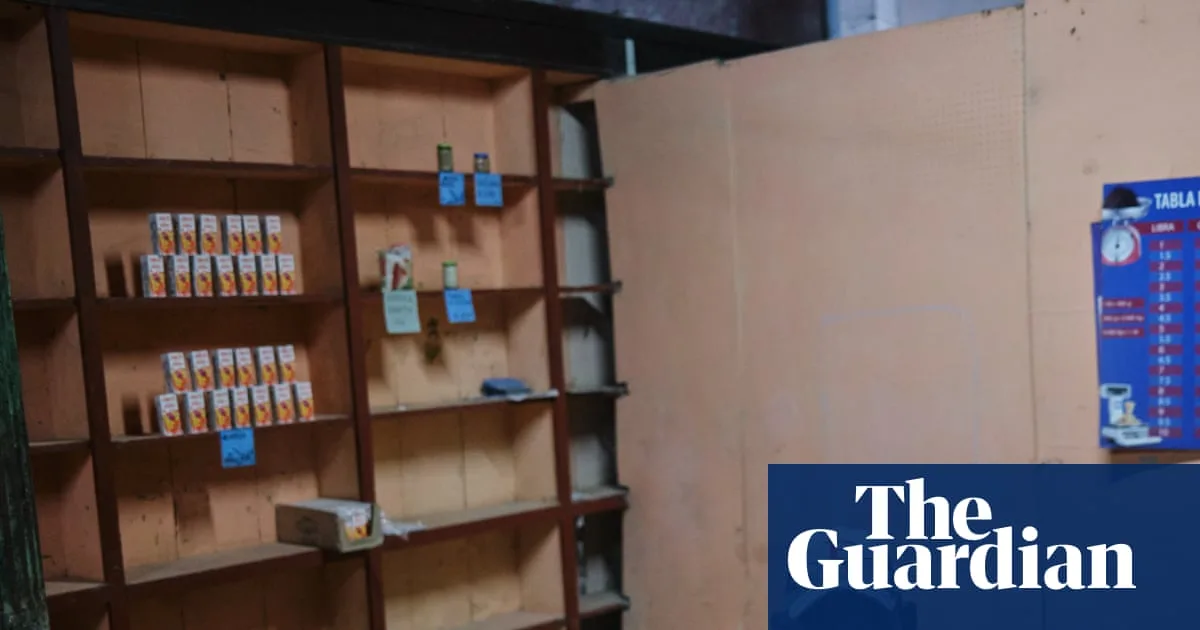
Echazabal, 29, left Havana with her mother and partner during the Covid pandemic, first to Russia, then Serbia, before a fraught journey by sea and land through Bosnia, Croatia, Slovenia, Italy, and France, finally reaching Spain. Legal residency remains an uphill battle, and she cannot imagine returning unless radical change comes. Daily life in Cuba is a struggle for basic goods, with failing infrastructure and unviable wages. “From the moment we become aware and start working, all young people want to leave; there’s almost no food, and it’s very hard to get anything,” she said.
Albizu-Campos describes a harsh “Malthusianism of poverty”, with families forgoing children to avoid starvation. He considers the population decline irreversible, as the “push factors” of economic and political desperation overwhelm any pull to stay, and policy responses are failing, reaching a “point of implosion”. There are no independent studies on whether most Cubans would support foreign military intervention to overthrow the regime, but many of those who have left still hope for change in their homeland.