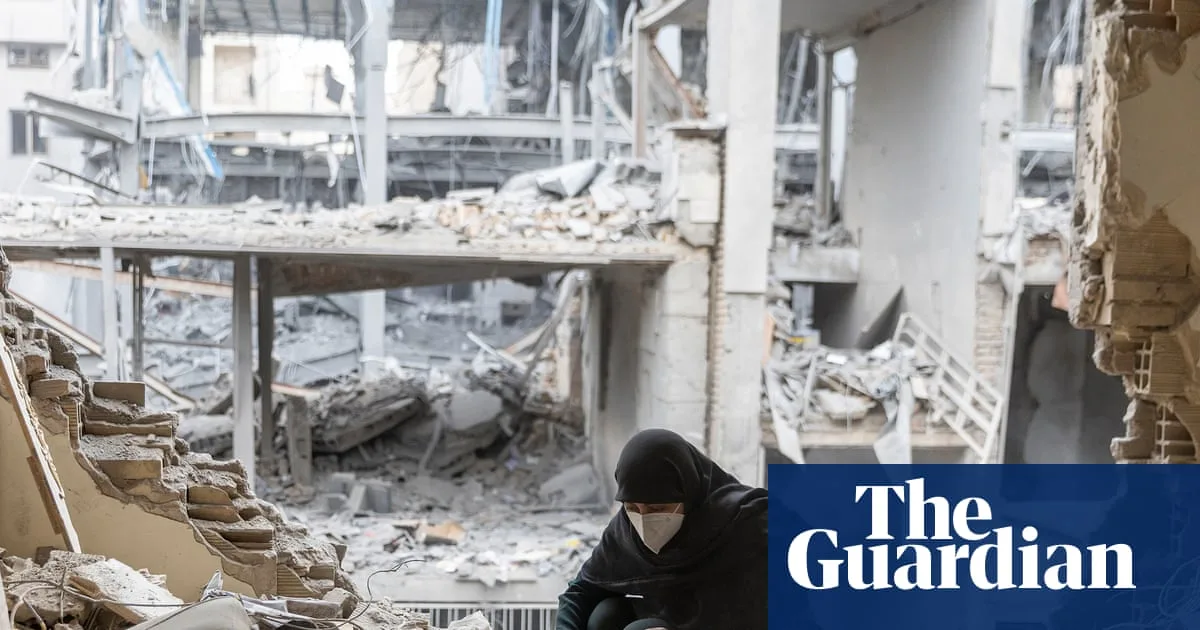
Civilians Suffer as US-Israel Campaign in Iran Enters Second Month
Civilians Bear Brunt of US-Israel Iran Campaign

Civilians Endure Heavy Toll in US-Israel Military Campaign Against Iran

A protracted military campaign led by the United States and Israel against Iran has now entered its second month, with civilians bearing the overwhelming brunt of the sustained offensive. The conflict, which began in late February 2026, has escalated rapidly, resulting in widespread destruction of infrastructure and a mounting humanitarian crisis across the region.

Timeline of Escalation and Civilian Impact

The campaign was initiated following heightened tensions over Iran's nuclear program and regional activities. Initial airstrikes targeted military and nuclear facilities, but the scope quickly expanded to include urban areas, leading to a sharp rise in civilian casualties. Reports indicate that residential neighborhoods, hospitals, and schools have been hit in multiple cities, displacing thousands of families and straining local resources.

Key developments over the past month include:

Wide Pickt banner — collaborative shopping lists app for Telegram, phone mockup with grocery list
  • Week 1: Precision strikes on Iranian military bases, with collateral damage reported in nearby civilian zones.
  • Week 2: Expansion of operations to include cyberattacks on critical infrastructure, disrupting power and water supplies.
  • Week 3: Ground skirmishes along border regions, exacerbating refugee flows and humanitarian access issues.
  • Week 4: Intensified aerial bombardments, with civilian death tolls estimated to have doubled since the campaign's outset.

Humanitarian Crisis Deepens Amidst Ongoing Conflict

The relentless nature of the US-Israel campaign has plunged Iran into a severe humanitarian emergency. Aid organizations report shortages of medical supplies, food, and clean water, particularly in hard-hit provinces. Civilian casualties are estimated to be in the thousands, with many more injured or missing, though exact figures remain difficult to verify due to communication blackouts and restricted access for international observers.

Local hospitals are overwhelmed, operating at full capacity with limited resources, while emergency services struggle to respond to the scale of destruction. The psychological toll on survivors, including children, is also a growing concern, with reports of trauma and displacement adding to the long-term challenges.

International Reactions and Diplomatic Stalemate

The international community has expressed alarm over the escalating violence and its impact on civilians. Calls for ceasefire and diplomatic negotiations have been issued by various global bodies, but so far, these efforts have yielded little progress. The US and Israel maintain that their campaign is necessary to counter perceived threats from Iran, while Iranian officials accuse them of aggression and war crimes.

Diplomatic channels remain largely frozen, with both sides entrenched in their positions. Analysts warn that without a breakthrough, the conflict could spiral further, risking broader regional instability and even greater civilian suffering.

Future Outlook and Regional Implications

As the campaign enters its second month, there are no immediate signs of de-escalation. Military analysts predict that the conflict may intensify, with potential for expanded operations or involvement from other regional actors. The economic impact is already being felt, with disruptions to oil markets and trade routes adding to global uncertainties.

The prolonged nature of this campaign underscores the urgent need for humanitarian interventions and renewed diplomatic initiatives. For now, civilians in Iran continue to endure the devastating consequences, with their plight highlighting the human cost of prolonged military engagements in the Middle East.

Pickt after-article banner — collaborative shopping lists app with family illustration