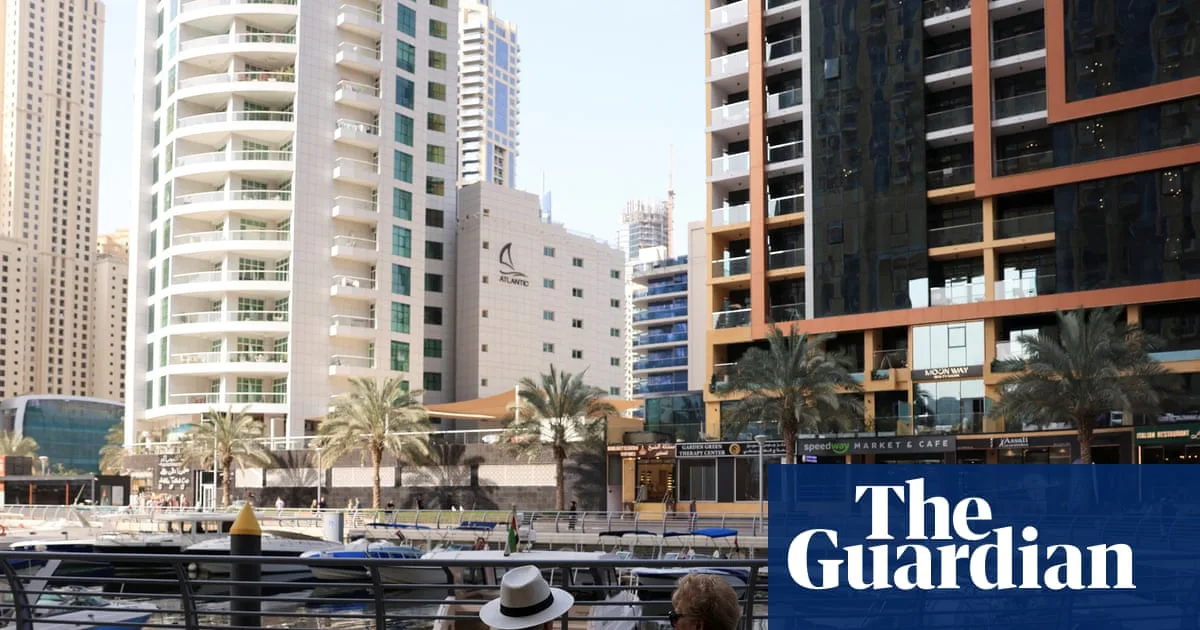
British expats in Dubai are insisting on maintaining a sense of normality despite the escalating conflict between Iran and the Gulf states, even as the UAE's rulers make public shows of confidence. The display came after at least three foreign workers were killed and dozens more injured by falling debris from intercepted Iranian missiles, and an explosion struck the city's famous Fairmont hotel.
One British expat, working in financial services, described the shock of hearing the impacts and then being told to delete a BBC video he shared with colleagues. Authorities had warned that sharing unverified content could lead to imprisonment, and the internet briefly went down. He suggested that some Britons might be "reaching for the map" to check exactly where they were living.
Back in the UK, the response has mixed sympathy with a hint of schadenfreude. Headlines declared the "end of the Dubai dream" and mocked wealthy influencers for their reactions. Liberal Democrat leader Ed Davey took aim at "tax exiles," arguing that Britons living in the UAE should pay taxes to support the armed forces like everyone else.
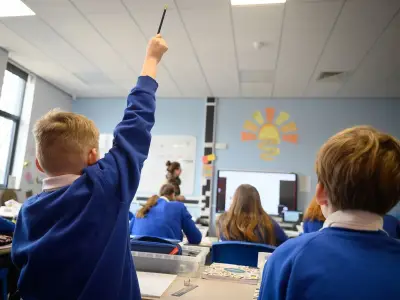
The disruption has prompted some British nationals to rush to the Oman border to find flights, while more than 100,000 have registered their presence with the Foreign Office. Schools with British curricula have been closed until further notice, and many expats are working from home on official advice.
Yet some remain defiant. Justin Harper, editor of the business news website CEO Middle East, described the situation as "business as usual" for his family after a road trip near Iran during the missile strikes. He acknowledged there was "a lot of envy about the Dubai lifestyle" and that people were quick to knock it down, but he believed the emirate would quickly "weather the storm."