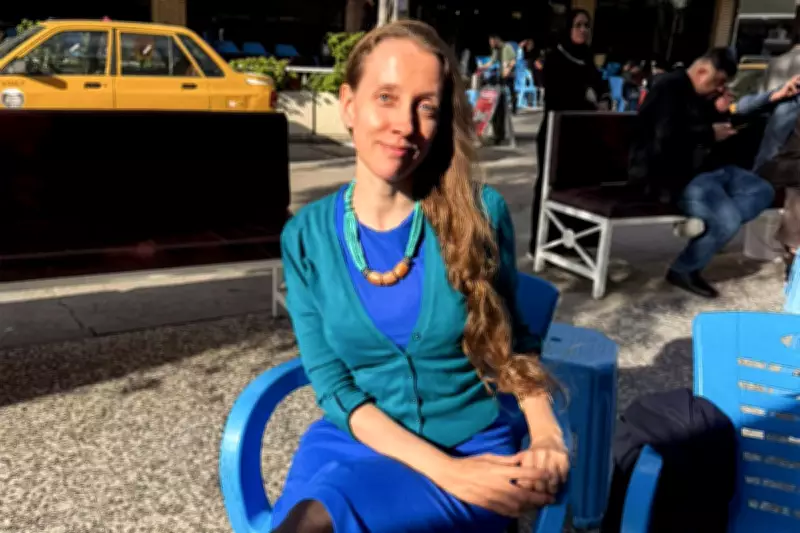
American Journalist Shelly Kittleson Abducted in Baghdad, Sparking International Concern
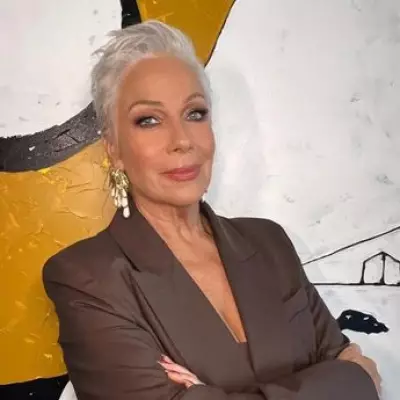
The sudden kidnapping of American freelance journalist Shelly Kittleson in Baghdad has triggered widespread international alarm regarding her safety and wellbeing. Surveillance footage from the Iraqi capital appears to show the 49-year-old being forced into a car by two men at a busy intersection, highlighting the perilous circumstances of her disappearance.
A Respected Career Built on Determination and Guts
According to former colleagues and friends, Kittleson had cultivated a highly respected journalism career across the Middle East over many years, often operating without formal editorial assignments and on a minimal budget. She had lived abroad extensively, using Rome as a base for a period, and reported from conflict zones including Iraq and Syria for outlets such as Al-Monitor.
Patrizio Nissirio, a former editor at Italian news agency ANSA who knew Kittleson since 2011, praised her dedication. "She is a great reporter and always wants to go to areas where no one wants to go," Nissirio stated. He recalled advising her that war zones were not necessary for good journalism, to which she responded, "I think my work is worth something when I am in those areas."

Independent Spirit and Personal Traits
Described as deeply curious and self-directed, Kittleson frequently embedded herself within local communities, sometimes staying with families instead of hotels. Her independent nature meant she often worked alone, traveling long distances while carrying heavy belongings without the protective backing of a major news organization.
Friends reveal she was kind, spiritual, and had embraced Islam. A vegetarian from Wisconsin, she faced challenges maintaining her diet in meat-centric Middle Eastern countries and was often teased for her cumbersome bags, which she distrusted leaving behind at her modest Baghdad hotel.
Mounting Strains and Final Conversations
In her final discussions before the abduction, Kittleson inquired about transport routes between cities while persistently seeking story access. Hours before being taken, she met a friend in Baghdad's Karrada neighborhood, disclosing that U.S. officials had warned her of a militia group targeting her, though she doubted the threat's credibility.
Iraqi colleagues noted she had previously been stopped at checkpoints by security forces and militias but always secured her release. "They will not hurt me," she assured her friend that afternoon. Instead, she spoke of increasing financial pressure, having no assignments in Baghdad and long struggling with a frugal existence, relying on support from Iraqi journalists.
Border Issues and Professional Challenges
On March 9, Kittleson was in Syria attempting to enter Iraq via the al-Qaim border crossing. Border police granted her a visa, but Iraqi intelligence officers soon turned her back, citing kidnapping threats, according to three accounts from people she contacted that day. She subsequently entered Iraq from Jordan with little trouble.
Nissirio highlighted her financial woes, stating, "She always complained of the treatment of freelance journalists, saying they are not paid enough. She was always trying to make ends meet and said she would sleep on any couch she could find, unlike the big foreign correspondents that sleep in fancy hotels." He added, "Her job has always been difficult, but she had a burning passion for it that I respect and appreciate."
Kittleson published her last story with Il Foglio on Monday, March 31, focusing on the impact of the Iran war on Iraq's Kurdish region, underscoring her commitment to covering complex regional issues until her abduction.