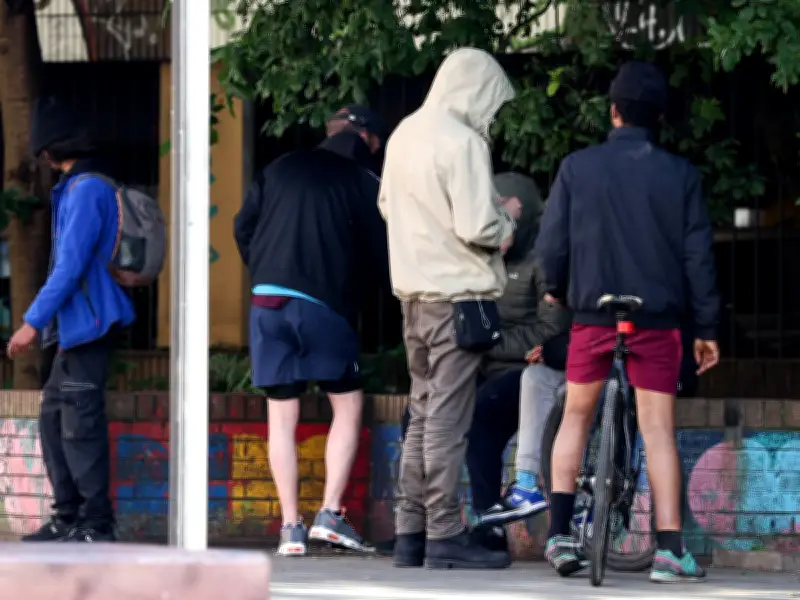
More than 3,300 teenagers in Greater Manchester are not in education, employment or training (NEET), figures show. In some parts of the region, one in 20 16-17-year-olds are NEET.
Salford has the highest proportion of NEETs in Greater Manchester, with 363 young people – 5.8% – not in work or college. Trafford has the lowest rate, with 184 teens classed as NEET, equivalent to 2.7%.
Borough-by-borough breakdown
Manchester has the largest number of NEETs, with 801. It is followed by Salford (363), Bolton (353), Wigan (334), Rochdale (332), Stockport (281), Oldham (269), Bury (217), Trafford (184) and Tameside (182).
Plans for technical education routes
Andy Burnham pledged to cut the number of jobless young people as he unveiled plans to open up new technical education routes to 14-year-olds, which will be placed on an equal footing with traditional academic pathways.
From Year 10, pupils will be able to combine core academic subjects, such as English and maths, with technical education linked to jobs available in their area.
'Long overdue' changes
Mr Burnham said the changes are "long overdue", adding "it's just not right" that the current system leaves young people not on the university pathway feeling "that they're some kind of second-class citizens".
He said the reforms aimed at averting the next generation of NEETs "brings hope to a lot of young people" who "know the education system is not built for them".
National picture
The latest data, published in May, showed the number of young people aged 16-24 neither working nor learning surpassed one million for the first time since 2013, reaching 1.01 million – or one in eight – in the three months from January to March.
The true figure is likely to be even higher, as in many cases young people's activity was unknown to their local authority, who recorded the data.
In May, a government-commissioned report authored by former Cabinet minister Alan Milburn warned the figure could rise to one in six by 2031 and that Britain risks leaving behind a "lost generation" of young people ill-prepared for work.