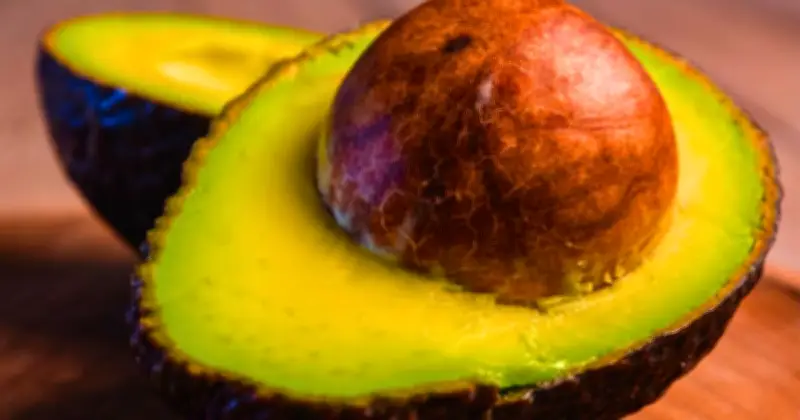
Avocados are a popular breakfast choice for their healthy fats and creamy texture on toast, but improper storage often leads to waste. Contrary to social media trends, storing avocados in water does not keep them fresh—it promotes bacterial growth and makes the fruit mushy. A simple kitchen ingredient, cooking oil, offers a better solution.
Why Water Storage Is Unsafe
Many influencers recommend submerging avocados in water to keep them hydrated, but this practice is ineffective and risky. According to Taesha Butler, cookbook author and founder of The Natural Nurturer, water storage encourages bacteria to grow on the avocado, making it unsafe to eat. The fruit becomes soggy and spoils faster.
The Oil Barrier Method
Butler advises brushing the exposed flesh of a cut avocado with avocado or olive oil. “This will create a barrier between the flesh and air, slowing down browning,” she said. A pastry brush works well for even application. The oil prevents oxidation, the chemical reaction that turns avocados brown and causes them to lose moisture.
After applying oil, wrap the avocado tightly in clingfilm to reduce air exposure further. Store it flesh-side down in a sealed container in the refrigerator. This method can keep the avocado fresh for two to five days longer than usual.
Additional Storage Tips
For longer preservation, avocados can be frozen, but freezing alters their texture, making them soft and watery. Butler recommends mashing the avocado before freezing to maintain a better consistency for spreads or smoothies. This reduces food waste while still providing a healthy breakfast option.
Using olive oil is a safe, effective alternative to water storage, ensuring avocados remain green and edible for days. This simple step, combined with proper wrapping and refrigeration, maximizes the fruit’s shelf life without compromising safety.