Shelley's 'To Wordsworth': A Biting Elegy for Lost Political Idealism
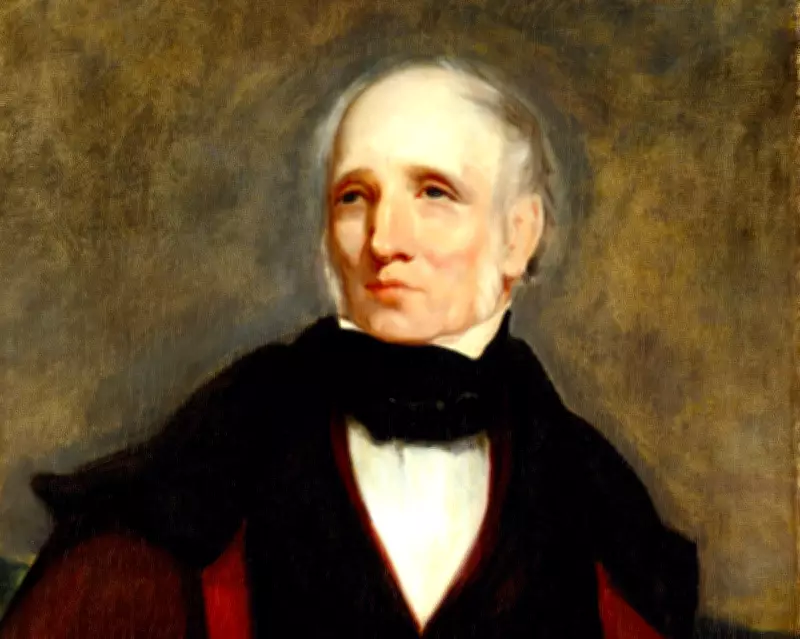
In the annals of Romantic poetry, Percy Bysshe Shelley's sonnet To Wordsworth stands as a stark and poignant critique, masquerading as tribute. Published in his 1816 collection Alastor; or, The Spirit of Solitude, this work delves into themes of political disillusionment, casting a shadow over the once-revered figure of William Wordsworth. The poem opens with a gentle lament, echoing Wordsworth's own lines about fleeting joys, but swiftly sharpens into a stern judgment on what Shelley perceived as a betrayal of radical principles.
A Corrective Tribute with a Cutting Edge
Often described as a "corrective tribute," Shelley's approach in To Wordsworth is far from gentle improvement. The younger poet employs artful technique, beginning with a tone of shared sorrow over life's "common woes," such as the loss of childhood and love's first glow. This initial solidarity, however, serves as a prelude to harsher censure. The pivotal moment arrives with the lines: "These common woes I feel. One loss is mine / Which thou too feel'st, yet I alone deplore." Here, Shelley severs the connection, highlighting his unique anguish over Wordsworth's lapsed political idealism.
The verb "deplore" encapsulates Shelley's merciless young fervor, suggesting that Wordsworth's resignation from radical causes is felt more acutely by his admirer than by the older poet himself. This insight, if accurate, adds a layer of cruelty to the judgment, framing it not as a usable corrective but as a personal lament. Shelley's metaphors—comparing Wordsworth to a "lone star" guiding a "frail bark" or a "rock-built refuge" above the "blind and battling multitude"—may seem conventional, yet they build toward a more profound critique.

The Moral Death of a Poet
Shelley elevates his critique by recalling Wordsworth's earlier works, such as the politically charged sonnets To Toussaint Louverture and The World Is Too Much With Us. He praises the older poet's "honoured poverty" and "songs consecrate to truth and liberty," only to lament their desertion. Ultimately, Shelley proclaims the imaginative and moral death of Wordsworth, a chilling verdict delivered with sincere regret. The poem concludes with the damning line, "Thus having been, that thou should cease to be," portraying Wordsworth as a leader who has abandoned his ideological troops, leaving Shelley to grieve on the battlefield of ideas.
While Shelley's charges against Wordsworth—accusing him of complacency and lost inspiration—may not be fully proven, To Wordsworth remains effective for its emotional depth and slowly mustered forces of disappointment. Written years before Wordsworth's peak of respectability and poet laureateship, the sonnet captures a moment of youthful disillusionment, offering a timeless exploration of how ideals can fade and heroes can fall in the eyes of their followers.