The Unmasking Obsession: Why We Must Respect Anonymity in Art
In a world increasingly driven by celebrity culture, the relentless pursuit to uncover the real identities of anonymous artists like Banksy and Elena Ferrante has sparked widespread debate. This fascination with unmasking reveals more about societal attitudes toward fame and authorship than it does about the artists themselves, raising critical questions about privacy and artistic integrity.
Recent Exposés and Their Impact
This week, contemporary art's worst-kept secret was thrust back into the spotlight when Reuters published an 8,000-word investigation identifying Banksy as 52-year-old Robin Gunningham. Although this revelation was not new—the Mail on Sunday had reported it nearly two decades ago—it still captured headlines globally. Similarly, just a week earlier, thousands of book lovers mourned the supposed death of Italian novelist Elena Ferrante, announced on X by a fake account impersonating her translator, Ann Goldstein. This hoax, orchestrated by infamous Italian trickster Tommaso Debenedetti, echoed a similar stunt in 2022.
Banksy and Ferrante share the paradoxical distinction of being among the most famous anonymous artists today. A decade ago, Ferrante faced a similar exposé when an Italian journalist scrutinized her finances, concluding she must be a translator. Over the years, theories have speculated that she is a man, a group of men, or various writers and publishers. These investigations, while tempting as real-life detective stories, often violate the artists' privacy and interfere with their creative processes.

The Practical and Artistic Reasons for Anonymity
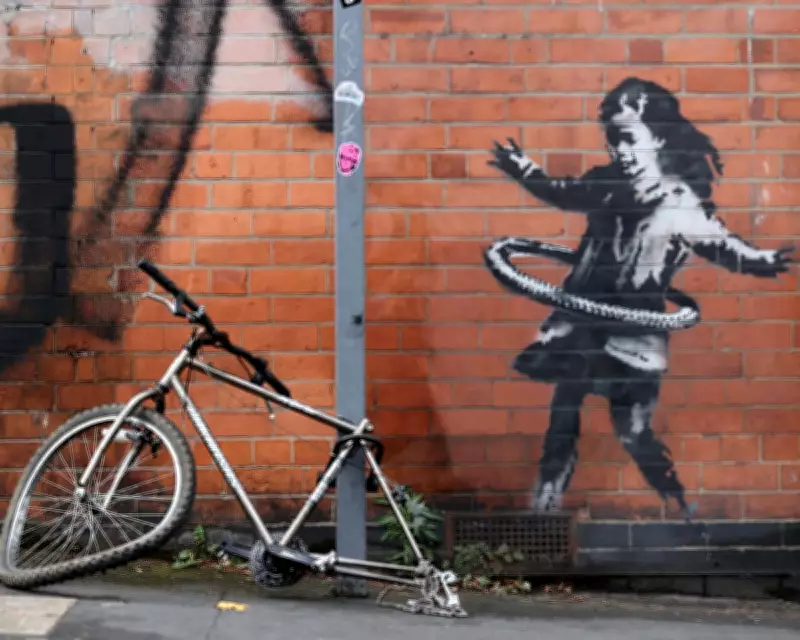
For Banksy, anonymity began as a practical necessity; street art is illegal, and remaining hidden allowed him to avoid prosecution. However, this enigmatic cover has evolved into a powerful tool, enabling him to mock the art establishment, speak truth to power, and become a national treasure. In 2017, his piece Girl With Balloon was voted Britain's favourite artwork, and his global impact spans from Palestine in 2005 to Ukraine in 2022. Whether as protection or a publicity stunt, his anonymity is integral to his iconoclastic brand.
For Ferrante, anonymity is an artistic choice, liberating her from what she calls "the anxiety of notoriety" and the demanding publicity cycles of modern publishing. This practice is hardly new; historical figures like Jane Austen, the Brontë sisters, George Eliot, and George Sand published anonymously or under male pen names because writing was considered unladylike. As Virginia Woolf noted, many anonymous works were likely by women. Today, feminist collectives like the Guerrilla Girls continue this tradition, signing posters with names of female artists to challenge art history.
Why True Fans Embrace the Mystery
Genuine admirers of Banksy and Ferrante do not care about their real identities. Instead, they collude in the mystery, much like children believing in Father Christmas. The idea of Banksy as a rebel artist who appears at night, leaving surprises, adds to his allure. Similarly, Ferrante's fiction feels intimate precisely because there is no "world-famous author" overshadowing the narrative. This radical self-effacement is rare in a culture obsessed with exposure and celebrity, making it all the more valuable.
Respecting Creativity and Human Mystery
An artist's decision to remain anonymous should be respected as a fundamental aspect of their creative expression. Creativity remains one of the last great human mysteries, and the work must be allowed to speak for itself. As Banksy has famously said, "If you want to say something and have people listen then you have to wear a mask." His mask is his art—a powerful statement that should not be destroyed by relentless unmasking efforts. In an era where privacy is increasingly scarce, preserving this artistic anonymity is crucial for fostering genuine, unfiltered creativity.