The Lowry Effect: Rejuvenating Salford and Manchester Through Art
LS Lowry, renowned for his iconic matchstick men, has left a profound legacy that extends far beyond his paintings. A journey through his hometown reveals how his influence helped transform a neglected dockland into the vibrant creative centre of Salford Quays, blending old haunts with new cultural shrines.
Exploring Lowry's Artistic Roots in Manchester
Many remember Lowry from prints like the one in a grandmother's loo, depicting bustling street scenes with mills in the background. These works resonate because they capture shared human experiences, not just artistic technique. To commemorate the 50th anniversary of his passing, a visit to Manchester offers a Lowry-themed exploration, starting at the Manchester Art Gallery on Mosley Street.
Here, Lowry's paintings hang alongside those of his mentor, French impressionist Pierre Adolphe Valette. Each piece, whether of a park or lonely road, hints at deeper narratives, challenging detractors who dismiss his style. As rain fell heavily, refuge was found in Sam's Chop House, a pub-restaurant dating to 1868, where a bronze statue of Lowry still sits at the bar—a testament to his enduring presence.

From Salford's Identity to Industrial Inspiration
Crossing the River Irwell into Salford, a city with its own unique identity, stands The Lowry hotel. Initially owned by Sir Rocco Forte, whose father was a Lowry enthusiast, the hotel's gym played Smiths music, evoking thoughts of Lowry's gentle strength in sticking to everyday scenes amid calls for more elevated art.
Guided by local legend John Consterdine in an electric black cab, the tour began at Southern Cemetery, where Lowry rests with his mother under a modest stone cross adorned with paintbrushes. It then moved to Victoria Park, where Lowry grew up at 14 Pine Grove, before his family's forced move to Pendlebury—a fall from grace that inspired his muse: Manchester's industrial landscape.
Lowry's homes remain unmarked, likely as he preferred, given his record of declining five honours, including a knighthood. A stop at Peel Park, which he painted multiple times, preceded arrival at Salford Quays.
The Transformation of Salford Quays
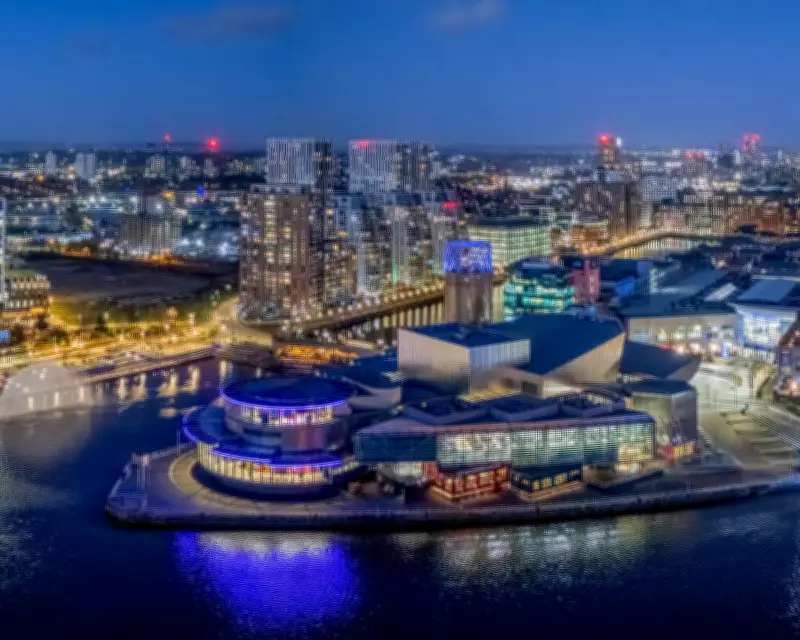
Once a bustling hub before the cotton market collapse, Salford Quays became a wasteland, symbolising the city's deep depression. Renewal seemed a pipe dream until the late 1980s, when Salford councillors conceived The Lowry, a theatre and gallery complex that opened in 2000, sparking a chain reaction.
This arts centre rejuvenated the area, attracting the Imperial War Museum North, BBC Studios at MediaCityUK, and later ITV and Coronation Street. By 2013, Salford Quays had evolved into a tourist, retail, residential, and leisure hub, with The Lowry at its heart, housing a vast collection of Lowry paintings acquired by the local council.
Immersive Experiences and Iconic Artworks
A new immersive experience, Lowry 360, brings his artwork to life in a space the size of a squash court, animated with scenes of bobbies, bicycles, and matchstick figures, enhanced by a voiceover from Sophie Willan. This animation allows the paintings to grow into entire worlds, offering a dreamlike perspective.
Among the paintings, Going to the Match (1953) stands out, depicting a crowd heading to a Bolton Wanderers game. Its journey includes a near-loss when the Professional Footballers' Association planned to auction it, until Andrew Law, a hedge fund CEO, funded its acquisition for £7.8 million, ensuring its permanent display.
The collection showcases Lowry's range beyond matchstick men, featuring mills, streets, churches, parks, and diverse scenes, proving he was no one-trick pony.
Modern Reflections and Lasting Impact
As evening approached, a visit to Old Trafford for a Manchester United match highlighted the ongoing cultural vibrancy. From Hotel Football, the skyline of Salford and Manchester revealed skyscrapers, MediaCity's bright lights, and a transformed landscape—devoid of chimneys but ripe for Lowry's artistic touch.

His legacy continues to inspire, with figures like window cleaners symbolising those who improve perspectives. This tour, supported by The Lowry hotel and local guides, underscores how art can drive urban regeneration, making Salford and Manchester must-visit destinations for cultural enthusiasts.