Jaja's African Hair Braiding: A Salon Saga of Immigration and Identity
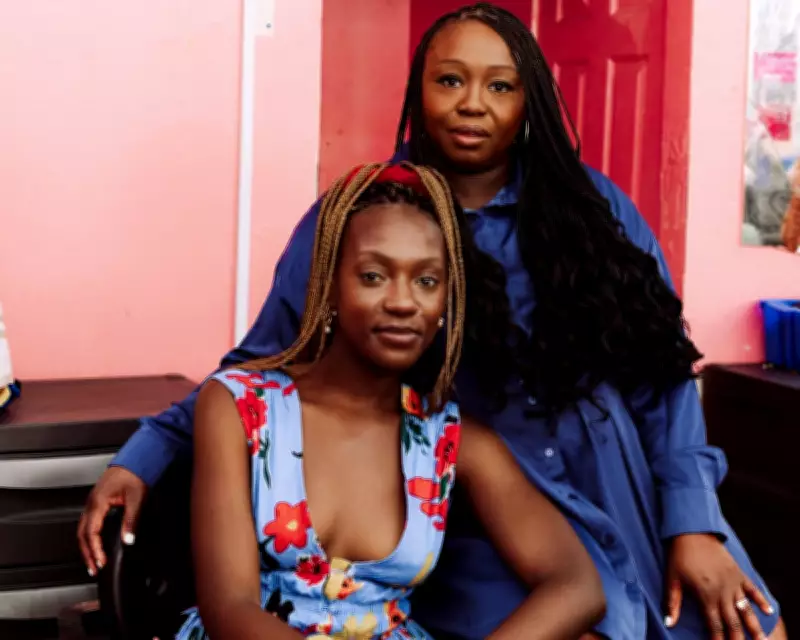
On an oppressively hot morning in Harlem, New York, the shutters of a braiding salon creak open, marking the start of what seems like an ordinary day. Yet, within the confines of Jaja's African Hair Braiding, playwright Jocelyn Bioh crafts a narrative that transforms twelve hours into a profound exploration of the immigrant experience. This Tony award-winning play, now making its London debut at the Lyric Hammersmith, delves into the lives of West African hairdressers navigating America's complex socio-political landscape.
From Harlem to Hammersmith: A Transatlantic Resonance
Directed by Monique Touko, who previously helmed Bioh's School Girls; Or, The African Mean Girls Play at the same venue, this production promises to resonate deeply with British audiences. Touko emphasises the cultural parallels, noting that the salon environment depicted will feel familiar to many, particularly Black women in areas like Peckham or Brixton, which serve as key hubs for Afro-Caribbean communities in the UK.
"The opportunity to work with Jocelyn for the second time was irresistible," Touko states. "We have a responsibility to authentically portray these stories, as audiences will immediately recognise any inaccuracies." Bioh adds, "I literally don't know a single Black woman who hasn't had their hair braided at least once, making this setting universally relatable."

Confronting the American Dream
Set in 2019 against the backdrop of tightening immigration laws under the Trump administration, the play scrutinises the myth of the American dream. Through vibrant dialogue and rich characterisation, Bioh illuminates "the people behind the policies," showcasing the humour, joy, and struggles inherent in the immigrant journey.
The salon, located off 125th Street—also known as Martin Luther King Jr Boulevard—serves as a microcosm of African American culture and politics. Here, conversations weave through themes of displacement, ambition, and the tension between African Americans and African immigrants.
Characters and Conflicts: A Day of Transformation
Mostly absent from the stage, Jaja, the salon owner, is a looming presence discussed by her employees. Her teenage daughter, who excels academically despite unstable documentation, offers glimpses into Jaja's offstage life. When Jaja finally appears, clad in a wedding dress to marry a white landlord, she declares, "This will be my last dress as an African and my first as an American," symbolising her pursuit of legitimacy in a system that often marginalises immigrants.
Bioh critiques the canonical American dream of wealth and stability, asserting, "I don't know a single American who has achieved that ideal." The play's climax leaves audiences questioning whether Jaja's aspirations might lead to her downfall, reflecting broader societal failures.
Cultural Significance and Urgency
As immigration dominates headlines anew, Jaja's African Hair Braiding arrives in London with heightened relevance. Touko aims to immerse theatregoers so fully that they feel like salon customers themselves, fostering empathy and understanding. Bioh concludes, "I present it as the American dream, question mark," inviting reflection on identity, belonging, and resilience.
Running from 18 March to 25 April, this production not only entertains but also challenges perceptions, making it a must-see for those interested in contemporary theatre and social commentary.