Classical Mixtape Event Fails to Hit the Right Notes
The Southbank Centre's ambitious Classical Mixtape event promised a live musical takeover with six world-class orchestras performing across the venue. The concept aimed to create an interactive experience where audiences could roam freely between performances, much like creating a personal mix tape. However, the execution fell dramatically short of expectations, with logistical nightmares and lacklustre programming overshadowing the musical talent on display.
Promising Concept Meets Practical Reality
Marketing materials enthusiastically described the event as an opportunity to "hear music in different ways" during a cross-site takeover. The format allowed attendees to listen repeatedly, skip between orchestras, or pause for refreshments at various bars. This innovative approach had previously succeeded with the venue's summer dance takeover, raising hopes for a similar triumph in the classical music sphere.
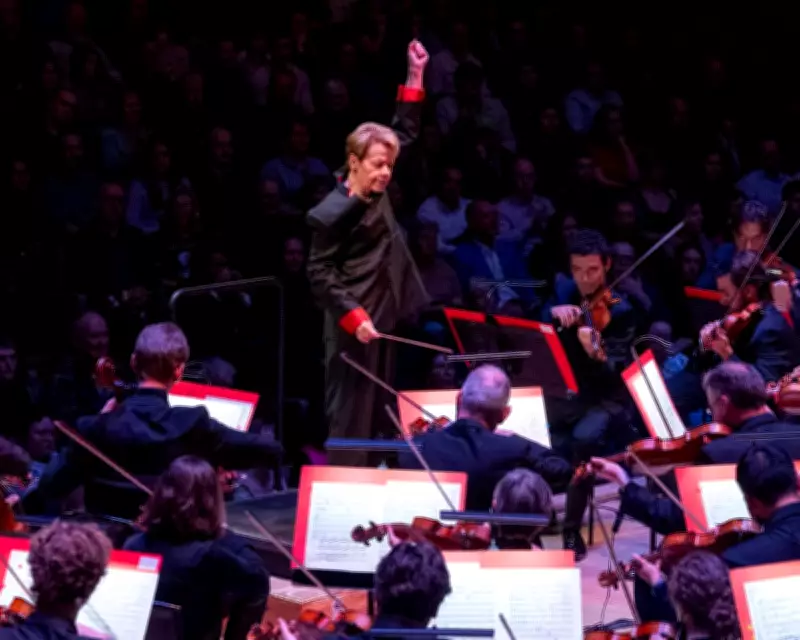
The evening commenced in the Royal Festival Hall with the London Philharmonic Orchestra delivering Beethoven's iconic Fifth Symphony. Media personality Vogue Williams introduced the performance, though her enthusiastic commentary about musicians being "wrecked" after just six minutes seemed misplaced for professionals accustomed to lengthy symphonies and operas. Conductor Ed Gardner maintained composure, transitioning smoothly to Howard Shore's Lord of the Rings film score.

Logistical Bottlenecks Frustrate Audiences
Following the opening performance, attendees were theoretically free to explore four additional orchestral groups performing in smaller Southbank spaces. Each ensemble repeated their sets three times over seventy-five minutes, theoretically allowing audiences to sample most offerings. However, critical planning failures became immediately apparent.
The Royal Festival Hall, with its capacity of 2,700, emptied simultaneously into four significantly smaller venues with inadequate combined capacity. This created inevitable bottlenecks that trapped audiences in lengthy queues rather than allowing musical exploration. Conversations among attendees frequently centered on whether anyone had actually managed to hear performances rather than discussing the music itself.
Musical Highlights Amidst Organizational Chaos
When audiences did manage to access performances, the musical quality varied considerably. The Chineke! Junior Orchestra presented Margaret Bonds' Montgomery Variations in the Clore Ballroom, with young musicians arranged on individual podiums. While conductor Yshani Perinpanayagam demonstrated impressive leadership, some younger performers appeared uncomfortable with the complex piece and unconventional staging.
Beneath the Queen Elizabeth Hall, London Sinfonietta musicians delivered Steve Reich compositions in a nightclub-lit industrial space. Those fortunate enough to enter experienced Reich's hypnotic magic, though the interpretations felt somewhat restrained. Meanwhile, the Purcell Room hosted Aurora Orchestra's Alpine-inspired musical adventure, though few attendees managed to witness it due to overwhelming queues.
Perhaps the most engaging performance came from the Orchestra of the Age of Enlightenment musicians in traditional Bavarian attire, who delivered a spirited Sound of Music medley in the foyer. Their creative use of beer glasses as percussion instruments and evident enjoyment provided a welcome contrast to the event's overall frustrations.
Missed Opportunities and Poor Planning
The Barbican's successful Sound Unbound festival demonstrates that bite-sized classical music with audience freedom can work exceptionally well when properly executed. That event utilized nineteen venues across an entire weekend, whereas Classical Mixtape concentrated performances in inadequate spaces while leaving the 900-capacity Queen Elizabeth Hall completely unused.
Furthermore, the vast public spaces across six Royal Festival Hall floors featured no smaller ensemble performances, representing a significant missed opportunity to disperse crowds. While the event successfully attracted a younger, more diverse audience than typical classical concerts, these newcomers were poorly served by unambitious programming and disastrous logistical planning.

The evening concluded with audiences herded back to the Royal Festival Hall for the Philharmonia Orchestra performing Holst's The Planets and the Star Wars theme. For many attendees, this final experience confirmed that less would have been considerably more, leaving a dispiriting impression of classical music's potential future direction at major cultural institutions.