E-Bike Tragedy Reveals Teen Isolation Crisis Beyond Police Crackdowns
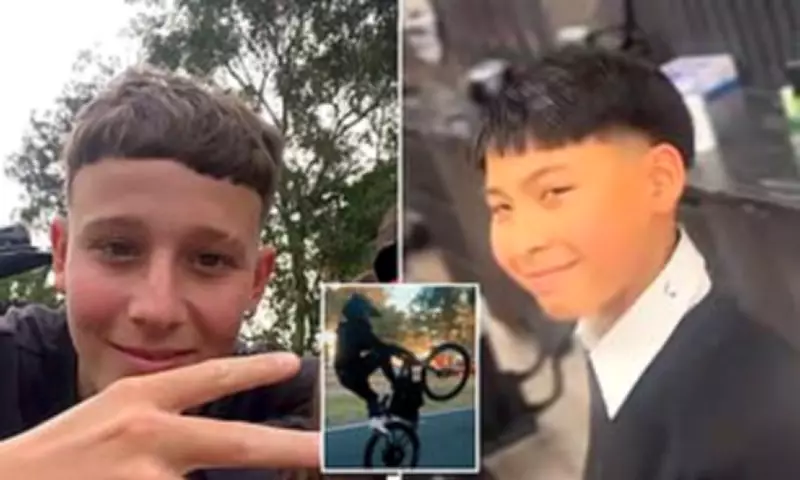
As a mother of four boys, I had come to view teenagers riding e-bikes as one of my most significant parenting fears. However, after speaking with friends of William Drake, 16, and Adrian Lai, 15—the two teenagers killed when their dirt bike collided with a bus in Sydney's west this week—my perspective has shifted entirely. Now, I believe everyone should be more concerned about what happens when police gain expanded authority to seize and destroy these bikes.
A Culture of Connection and Defiance
William and Adrian were prominent figures in the growing e-bike culture. Although they were riding William's fuel-powered bike at the time of the fatal crash, they frequently shared their daredevil e-bike stunts online. On the night of the accident, they were riding tandem when they hit the bus and became wedged underneath, tragically dying at the scene.
The following day, several of their friends agreed to discuss their involvement in the illegal e-bike scene. I anticipated expressions of regret and a wake-up call. Instead, I encountered defiance and something far more confronting: genuine fear.

'What else are we going to do?' one classmate asked when I questioned whether this tragedy would halt their ride-outs. 'How else will we be able to make friends and have somewhere to go?' He expressed no concern about being caught or losing a bike worth thousands of dollars, despite police soon receiving 'crush' authorisation. He wasn't worried about injury or death either. His fear was about losing his freedom, stating that without it, he had 'nothing left.'
The Real Problem: Isolation and Loneliness
Make no mistake, these modified high-speed bikes are dangerous, often illegal, and have no place on public roads. In New South Wales alone, police have seized hundreds of illegal e-bikes in the past year, with authorities warning of a sharp rise in injuries among young riders. National road data confirms that teenage boys remain one of the highest-risk groups for road fatalities.
Yet, what struck me most is that e-bikes are not the core issue. They are merely a band-aid covering something much larger: isolation, loneliness, and a desperate need for connection. Not all children participate in sports, youth clubs are dwindling, and for many under-16s, social media is effectively off the table.
These are the children who started high school and became teenagers during Covid, enduring one of the strictest and longest lockdowns globally. They didn't grow up knocking on friends' doors or meeting at the beach after school; they grew up online. Now pushed offline, they lack examples of real-world connection. E-bikes have filled that void, providing teenage boys with a reason to leave home, a sense of belonging, and a shared identity without requiring other skills.
The Risks of Removal Without Replacement
The young teens I spoke to disregard the law and are willing to risk being caught for what they love most—being with their mates. Their still-developing logical brains associate this with e-bikes. If we ban these bikes without offering alternatives, they will not stop. Instead, they will go deeper underground, forming larger groups, riding later at night on faster roads, and taking greater risks.
Adrenaline-fuelled rides to evade police could escalate into more accidents, gang culture, and criminal mindsets. We have already removed social media and are targeting e-bikes, but what are we replacing them with? Currently, for many families, there is nothing else. Parents are stretched thin by the cost-of-living crisis, with little time or money to create community alternatives like youth clubs or weekend programs.
I do not blame parents. Many are relieved their children are not gaming all night in their bedrooms, not drinking, not taking drugs, and not constantly exposed to online dangers. These teens are outside, socialising, and happy. The rise of e-bikes mirrors the decline of real-world connection. Where is the plan for safe spaces, programs, mentors, and fun that allows kids to be kids and offers these boys a sense of belonging without the danger?
If we keep removing what they rely on without addressing the underlying issues, this situation will only deteriorate further.