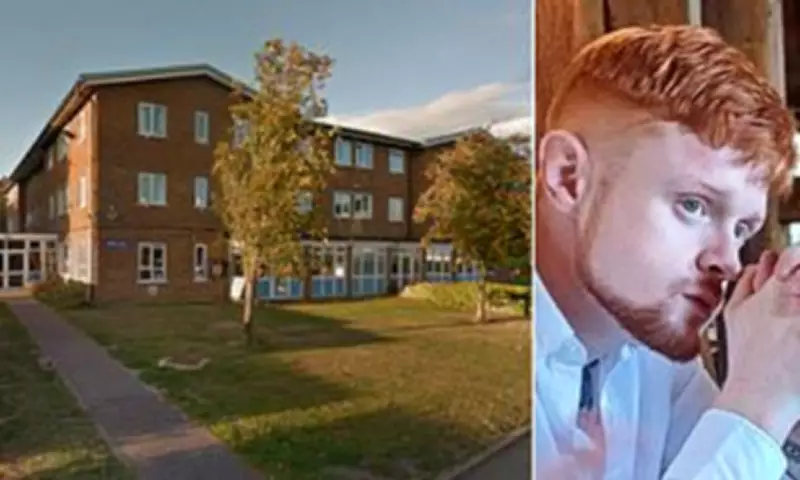
Inquest Details Tragic Exploitation of Bullied Boarding School Pupil
A vulnerable boarding school pupil who was exploited by county lines criminals after being bullied for his distinctive red hair died following a combination of drugs and alcohol, a coroner's hearing has been told. George Lusby, described by his family as 'lively, funny and intelligent', was just 22 years old when he collapsed after taking diazepam and drinking alcohol during a night out with friends in August last year.
From Stable Home to County Lines Target
The inquest at Norfolk Coroner's Court heard that George came from what was described as a 'stable and loving' home environment. However, his life took a tragic turn when he became a target for bullies at Wymondham College in Norfolk, where he was tormented for his bright ginger hair. This vulnerability was quickly identified by county lines drug dealers operating in the area.
His grooming by criminal elements began when he was tricked into carrying packages, which then escalated into demands for money accompanied by threats of violence. The situation deteriorated significantly in 2022 when a knife was held to his throat, leaving him with post-traumatic stress disorder. He was later stabbed during this period of exploitation.

Mental Health Struggles and Family Estrangement
George was diagnosed with depression in 2020, which later developed into mixed anxiety and depressive disorder. He experienced night terrors and turned to alcohol, cannabis, and non-prescribed medications in an attempt to cope with his psychological distress. There were periods when he became estranged from his family, though the inquest emphasized that he remained close to his supportive parents throughout his ordeal.
Despite numerous referrals to mental health services, George frequently missed appointments and did not consistently take prescribed medications. In September 2024, he began talking about ending his life, prompting an emergency ambulance call.
Turning Point and Tragic Final Night
Eight months before his death, George appeared to be turning his life around. He secured regular employment in the construction industry, joined a gym, passed his driving test, and began making positive plans for his future. His mother, Jane Stasiak, told the hearing that employers were 'delighted' with his work ethic and attitude.
On August 16 last year, George went out with friends in good spirits, excitedly discussing his future prospects. During the evening, he consumed diazepam (an anti-anxiety medication) along with alcohol. Friends found him unconscious the following afternoon, and he was transported to Norfolk and Norwich University Hospital by air ambulance.
Medical Emergency and Family's Heartbreaking Decision
Medical staff observed George frothing at the mouth and experiencing continuous convulsions despite administration of anti-epileptic medication. Scans revealed he had suffered massive brain injury caused by oxygen deprivation during a cardiac arrest. After consultation with doctors, his family made the heartbreaking decision to withdraw treatment. George died on August 22, with some of his organs subsequently donated to help others.
Coroner Johanna Thompson recorded a conclusion of misadventure, noting that the medical cause of death 'may give an impression that does not convey the full history' of the complicated circumstances George had endured.
Family Warning About Child Exploitation
Following the inquest, George's parents issued a stark warning that 'child criminal exploitation can reach any child.' His father, a commercial director for an international building firm, suggested that his son's newfound optimism might have led him to party 'too hard' on that fatal night, while acknowledging that 'the scars of what he had been through as a youngster were still there.'
A tribute website established in George's memory has raised over £3,000 for the Joe Dix Foundation, which works to raise awareness about child criminal exploitation. Wymondham College, where the bullying initially occurred, is a state boarding school with academy status that charges annual boarding fees of £17,550 for sixth formers. The school was contacted for comment regarding the case.