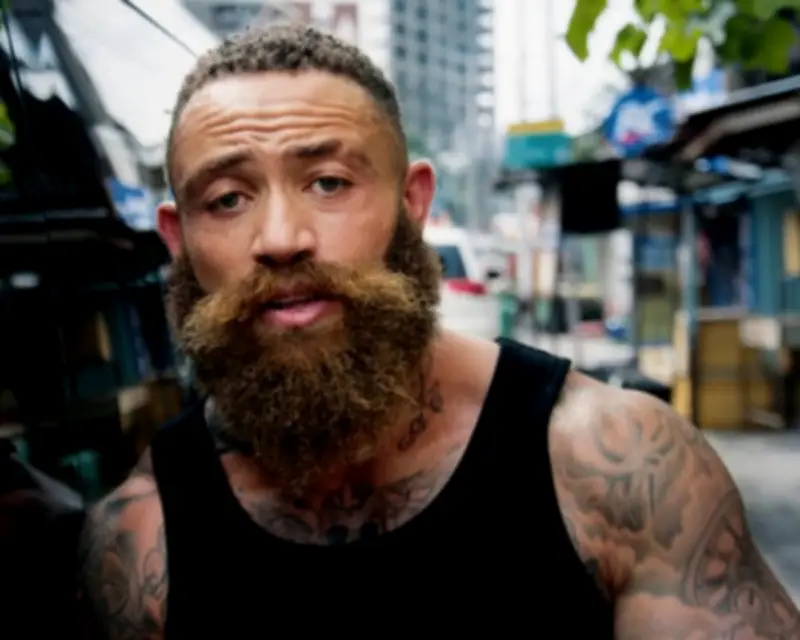
The BBC has cancelled Ashley Cain's show Ashley Cain: Into the Danger Zone after the Guardian revealed disturbing social media posts in which he described women as 'slags', 'sluts' and 'bitches', and joked about hitting and choking women. The broadcaster admitted its vetting process 'clearly failed', but new reporting shows concerns about Cain's online comments were raised with the BBC as early as last year.
Vetting failures and ignored warnings
Cain, a former footballer turned reality TV star, gained a following on Snapchat for posting videos of himself having sex with women. In 2015, he denied accusations of capturing and sharing sexually explicit photos and videos of a woman without her consent. Despite his public profile, the BBC hired him to connect with young men, citing his 'exceptional' ability to do so. However, a simple scroll through his social media would have revealed numerous troubling statements, such as 'talcum powder pimp slap these bitches already!' In an Instagram post, Cain said, 'I don't deny it. I don't excuse it.'
The cynical calculation behind the hire
Legacy media is in a panic as fewer than half of Gen Z watch broadcast TV, and young men increasingly prefer online personalities. Hiring Cain seemed to be a cynical attempt to appeal to this demographic, implicitly endorsing the degradation of women as part of modern masculinity. But this assumption is misguided. Data shows that young men in Britain are among the most progressive demographics, disproportionately voting for left-of-centre parties and holding more progressive views on women and feminism than older men. Most young men are angry about unaffordable housing, insecure work, and rising costs, not feminism.
Alternative representations of masculinity
The media’s definition of 'connecting with young men' remains warped. While Gary Lineker faced suspension and departure from the BBC for online criticism of government policy, Cain faced little scrutiny. Yet there are examples of better representation: the BBC's Race Across the World featured Jo and Kush, two young men celebrated for their warmth and banter, and the Gareth Southgate documentary offered a more sophisticated portrayal of young British men. These show that the BBC does not need to compromise its values to win young male audiences; it just needs to stop assuming the worst about them.
As Rohan Sathyamoorthy, a 20-year-old writer, puts it: 'Masculinity will never be about degrading women. It is about looking after the people around you and standing up for those who can’t stand up for themselves.'