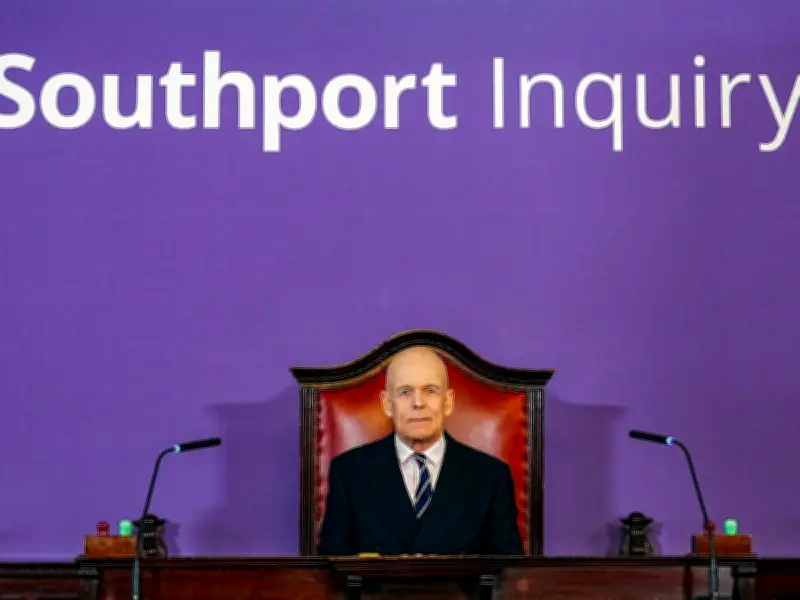
The second phase of the Southport Inquiry is set to begin today, July 8, at the International Dispute Resolution Centre (IDRC) in central London. This phase follows Phase One, which concluded last year after nine months of evidence, leading to 67 recommendations from chair Sir Adrian Fulford.
Background of the Southport Attack
The inquiry was established after Axel Rudakubana, then 17, murdered Alice da Silva Aguiar, nine, Bebe King, six, and Elsie Dot Stancombe, seven, at a Taylor Swift-themed dance class in July 2024. Phase One found that the murders "could and should have been prevented" if agencies had taken steps to stop Rudakubana.
In a report published in April this year, Sir Adrian Fulford highlighted a "fundamental failure" by any organisation or multi-agency arrangement to take ownership of the risk Rudakubana posed. The inquiry heard that Rudakubana had contact with multiple public services, including police, counter-terrorism, social care, youth justice, and the NHS, in the days, months, and years before the attack.
Scope of Phase Two
Phase Two will focus on broader issues involving violence fixated individuals (VFIs) and assess the effectiveness of multi-agency arrangements in dealing with such individuals. It will also examine how social media influences and enables VFIs to prepare and carry out violent attacks. Additionally, the inquiry will review the effectiveness of policies, laws, and systems surrounding VFIs.
The opening hearing today will feature a statement by Sir Adrian Fulford outlining the direction of this phase. The inquiry aims to conclude proceedings and produce a report for the Home Secretary by May 2027.
Families' Perspectives
Chris Walker, director of serious injury at Bond Turner, representing the three bereaved families, stated: "The families want Phase 2 of the Southport Inquiry to focus on the changes needed to prevent future mass casualty attacks and better protect the public. While they support the creation of a new Mass Casualty Attack offence, they do not believe legislation alone will make society safer."
Walker added: "The evidence heard so far has exposed a clear gap in how authorities respond to individuals who pose a risk of extreme violence. The families believe the response should be driven by the level of threat posed, not whether an ideological motive is present. Someone planning a mass casualty attack should attract the same level of intervention and preventative action as someone planning a terrorist attack."
He also emphasised the need to address gaps around parental responsibility and the duty to warn when there is knowledge of a credible risk of serious violence. "Ultimately, the families' objective is simple: to ensure that every possible lesson is learned from Southport, that vulnerable children and members of the public receive the greatest possible protection, and that future atrocities are prevented wherever possible."
Government Response to Phase One
Following Phase One, the government accepted all 67 recommendations. Home Secretary Shabana Mahmood released a detailed 64-page report outlining the government's response, stating it was time to "right these wrongs."
Chris Walker, speaking on behalf of the families, called for accountability, saying: "Those individuals who failed the most, must lose their jobs. Otherwise the public will have no confidence that an atrocity like this will be prevented from occurring again." He noted that while the government's response reflects progress, important questions remain about legal duties to report known threats and securing accountability for institutional and individual failings.
Five major failings were identified in Phase One, and the government has committed to legislating against the planning of mass casualty attacks, focusing on the emerging threat of non-ideological extreme violence.