Shabir Ahmed's Release Sparks Fear Among Victims
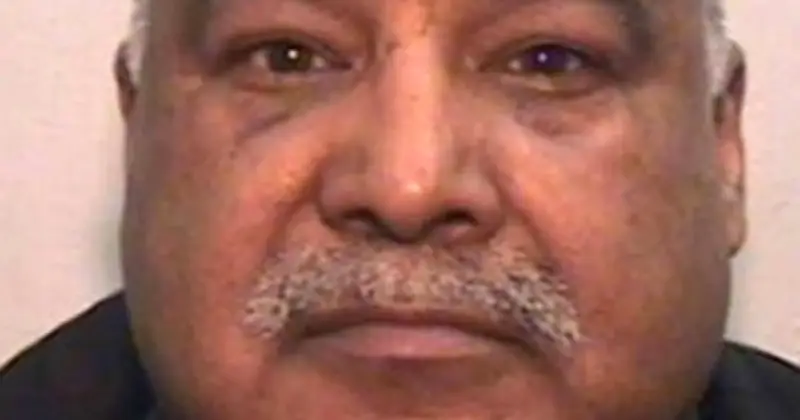
Shabir Ahmed, the 73-year-old ringleader of the notorious Rochdale grooming gang, is set to be released from prison on July 2 after serving 14 years of a 19-year sentence. Known to his victims as 'Daddy', Ahmed was convicted in 2012 for multiple counts of rape and sexual offences against young girls. Victims have expressed profound fear for their safety, as Ahmed cannot be deported despite holding dual Pakistani-British citizenship and being stripped of his British citizenship.
Victims Speak Out
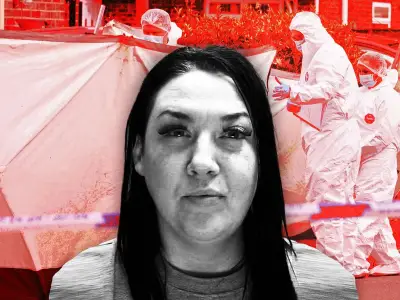
One victim, identified only as 'Ruby', is being supported by The Maggie Oliver Foundation. She stated: 'I'm scared for my safety and my kids' safety. The main ringleader is getting out of prison, who is well known in Rochdale, Oldham and Middleton, so even if he's not in that area, he still knows people and has a chance to talk to people from that area and that makes me unsafe.' Ruby added that victims of abuse had been given 'false promises' and left to 'fend for themselves' due to lack of support from authorities, and called for a change in the law to deport grooming gang members.
Legal Barriers to Deportation
Documents from the Probation Service indicate that Ahmed cannot be deported to Pakistan due to provisions in the Immigration Act 1971. These provisions bar removal if the individual arrived in the UK before 1973 and has lived in the UK for at least five years before deportation was considered. Ahmed reportedly arrived in the UK in the 1960s. The failure to deport multiple dual-national men convicted of serious child sex offences has caused deep anger in communities and pressure on politicians.

Background of the Crimes
Ahmed was one of nine men convicted in the Rochdale grooming gang trial for offences against five girls between 2008 and 2010. Victims as young as 12 were plied with alcohol and drugs, gang-raped in rooms above takeaway shops, and ferried to different flats in taxis where cash was paid for sex. Ahmed had worked as a taxi driver and was employed by Oldham Council as a benefits rights worker. At his trial, he called the judge a 'racist bastard' and later took his case to the European Court of Human Rights, claiming he did not get a fair trial. Judge Gerald Clifton stated that victims were treated 'as though they were worthless and beyond any respect' because they were not part of the gang's community or religion.
Conditions of Release
Ahmed is reportedly being held at HMP Leeds and will be released on licence. He must initially live at a 24-hour staffed accommodation and will not return to his last known address in Oldham. He is subject to an 'exclusion zone' centred on Rochdale, will be on the sex offenders register for life, ordered to stay away from victims, banned from contacting children, and must wear an electronic tag. Breaching conditions will result in immediate imprisonment.
Political and Community Response
A national inquiry into grooming gangs was announced earlier this year amid increasing criticism. In 2022, Andy Burnham, then Mayor of Greater Manchester, called on the government to deport grooming gang members. The Home Office stated: 'Our thoughts are first and foremost with the victims of these appalling crimes. On his release he will be on the sex offenders register for life, ordered to stay away from his victims and banned from contacting any child or young person.' Billy Howarth from Parents Against Grooming UK (PAG UK) in Rochdale relayed a statement from another victim: 'I live in a constant state of hypervigilance, fearing for my physical safety every time I leave my home. This fear has caused severe anxiety, disrupted my sleep, and forced me to drastically alter my daily routines.'
Broader Context
Ahmed's case follows similar legal battles by Qari Abdul Rauf and Adil Khan, both stripped of British citizenship in 2022 after convictions. They invoked human rights under Article 8 of the European Convention on Human Rights to avoid deportation. The Home Office has not confirmed if either has been deported. Greater Manchester Police initially said there was no 'racial or cultural' element to the crimes, but a later report found 'serious multiple failures' by police and local authorities in responding to concerns.