A 70-year-old pensioner who stalked a famous athlete and TV presenter sent the victim photos of his genitals. Simon Birdseye admitted to sending the explicit image non-consensually via email after a series of social media messages.
Campaign of harassment
Birdseye bombarded the unnamed TV presenter and ex-athlete via Facebook before obtaining her personal email address. The victim, who cannot be identified for legal reasons, told the court that the campaign of harassment left her less able to trust people and more anxious.
She said: “I am far less trusting with strangers, which has changed my character in a way I don’t like.”
Court sentencing
The pensioner admitted sending the picture with intent “to cause alarm, distress or humiliation.” District Judge Matthew Bone described Birdseye’s actions as having led to “serious harm to a sportswoman going about her lawful business.”
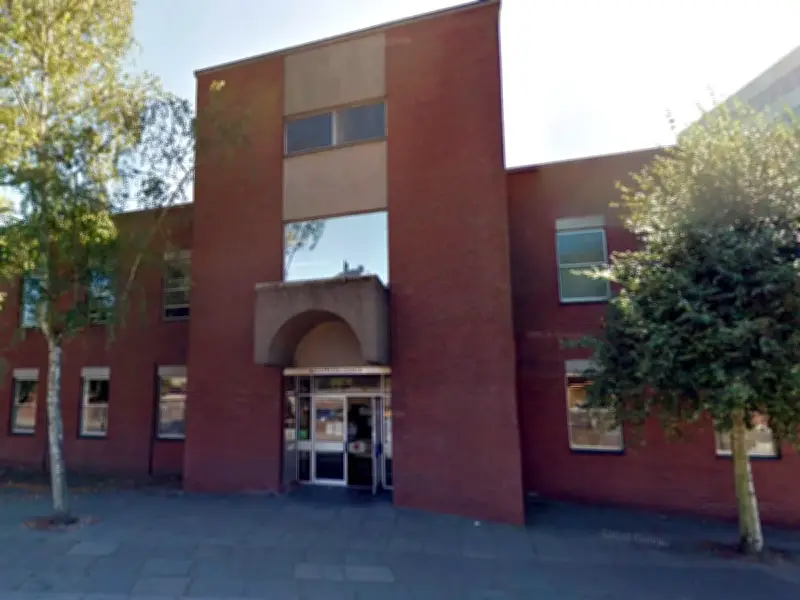
Birdseye was sentenced to eight weeks in prison, suspended for 18 months, at Ipswich Magistrates’ Court. He was also handed an order prohibiting him from contacting his victim in any way.
Prevalence of stalking
In 2024, a study found that almost 17% of athletes had experienced stalking or cyber-stalking. The Centre for Safe Sport reported that around one in six athletes said they had been spied on, watched, or followed by someone they did not want watching or following them.
Around one in ten said someone had tracked or monitored their activities or location using software or a device on their phone or computer.
In the UK, around one in five women and one in eleven men will experience stalking in their lifetime, with around 1.4 million Brits believed to have suffered the practice in 2025 alone, according to the Office for National Statistics.
Police data shows a rise in stalking incidents, but officials stress this may be due to “changes in recording practices and counting rules” and not necessarily a worsening problem.
If you believe you are being stalked, contact the National Stalking Helpline for free and confidential advice on 0808 802 0300 or visit suzylamplugh.org. Call 999 if you or somebody else is in immediate danger.