PC Andrew Harper's killers will be excluded from the early release scheme after Prime Minister Andy Burnham confirmed that anyone convicted of unlawful killing would be exempt from the programme.
Mr Burnham revealed that "hundreds" of prisoners will remain behind bars as part of modifications to the scheme, which was originally introduced to alleviate overcrowding in Britain's jails.
Those convicted of historic child sex offences will also be barred from benefiting from the changes.

Prime Minister's statement
Mr Burnham said: "I know how strongly people feel about this issue. I understand the concern and anger because I share it."
"That's why I took action during my first weeks as Prime Minister to block some of the very worst in society being released before they should."
"We moved quickly to block vile criminals who commit rape, sexually abuse children and groom vulnerable young people."
He continued: "But I always said I wanted to do more. We will now not only be keeping offenders serving time for indecent assault locked up, but also those in prison for manslaughter and death by dangerous driving."
"This means that the awful criminals responsible for the killing of PC Andrew Harper will not have their sentence shortened."
Review of Sentencing Act
The Prime Minister commissioned a review of the amendments to the Sentencing Act, currently being carried out by Justice Secretary Alex Norris, with findings due to be published as Parliament resumes from its summer recess this week.
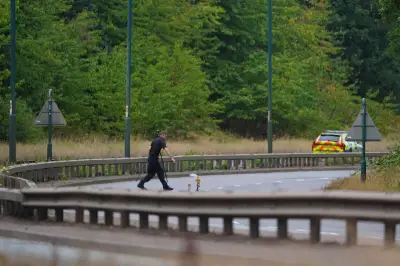
This came after widespread outrage when it emerged that Albert Bowers and Jessie Cole could be freed halfway through their 13-year sentences. They were passengers in the vehicle that dragged PC Harper along a rural road after he became entangled in a strap attached to the car as they escaped from a quad bike theft in Sulhamstead, Berkshire, in 2019.
Additional prison capacity
Mr Burnham stated that additional capacity in jails would be generated by deporting foreign offenders and releasing prisoners who are serving indefinite sentences under Imprisonment for Public Protection sentences (IPPs), which were handed to criminals considered a significant risk to the public between 2005 and 2012.
Complete details of the most recent changes are anticipated to be announced by the Justice Secretary when Parliament reconvenes.