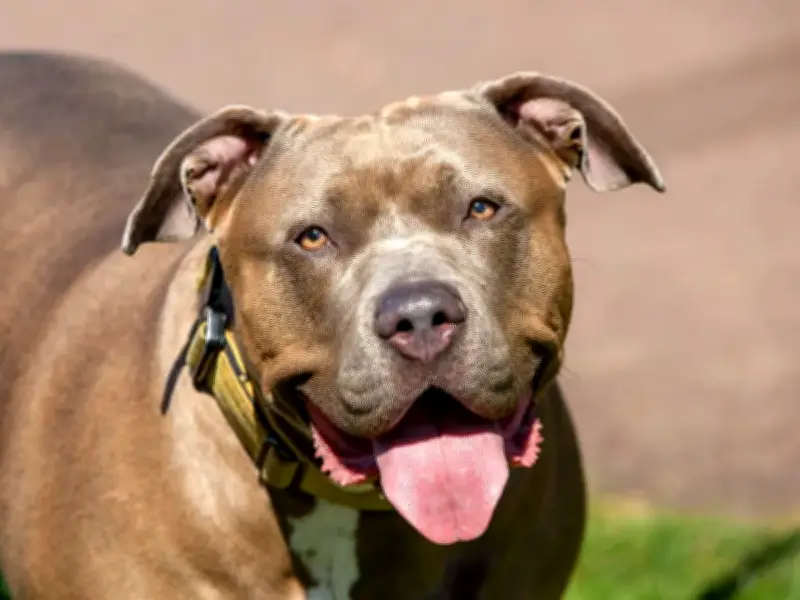
New legislation on banned dog breeds, including XL Bullies, takes effect across the UK on November 1. After this date, it will become an offence to leave a child under 12 alone with an XL Bully, or any other prohibited breed, in a private location (such as a house or garden) without grown-up supervision.
Which breeds are banned in the UK?
Several dog breeds are currently outlawed in the UK. It is illegal to own a Pit Bull Terrier, a Japanese Tosa, a Dogo Argentino, a Fila Brasileiro, or an XL Bully. It is equally forbidden to sell, abandon, give away, or breed from a banned dog anywhere in the UK. Certain households may be legally able to keep a banned breed provided they hold a Certificate of Exemption.
XL Bullies were banned across the UK in February 2024. Tens of thousands of people are still believed to own an XL Bully, the largest variety of American bully dog. The breed is characterised as large dogs “with a muscular body and blocky head, suggesting great strength and power”. The prohibition was introduced following a string of fatal attacks involving XL Bullies, including the tragic deaths of children.
Certificate of Exemption rules
Keeping an XL Bully without a valid Certificate of Exemption is now a criminal offence. Recent statistics reveal that more than 50,000 Certificates of Exemption have been issued for XL Bullies throughout the UK, granting those owners the legal right to keep their animals.
Strict regulations must be adhered to for the entirety of the dog's life. Owners must keep the dog at the same address as the certificate holder, though the animal may stay at an alternative address for no more than 30 days per year. Owners must also inform the Department for Environment, Food and Rural Affairs (Defra) of any permanent address changes, notify Defra if their dog dies or is sent abroad, and ensure their dog wears a muzzle in all public areas. These animals must also remain on a lead in public spaces, held securely by someone aged at least 16, and must be housed in secure conditions to prevent escape.
Why the new child-safety measure is needed
Younger children, especially those below 12 years of age, face heightened risk of dog-related harm within the home, where such incidents typically involve a dog they know. Kids may act in ways that certain dogs find unsettling, including physical closeness, abrupt movements, and creating loud sounds.
Irrespective of the legislation, the RSPCA recommends that youngsters should never be left unattended with dogs, even if it's your family pet and they've never displayed hostile behaviour previously. Official guidance also notes that dogs may be more prone to unexpected reactions when they're anxious, poorly, overstimulated or unable to get away from children. Grown-ups should stay alert to circumstances where a dog might require some distance, and “separate the child and dog where necessary.”