Merseyside mums are living in fear of their own sons, a campaigner has warned, with the region's matricide rate running at twice the UK average, prompting a new awareness drive in Huyton.
Abuse by sons can be hidden
While domestic abuse is commonly associated with intimate partner relationships, it can also take place within families. Abuse by sons towards their mums can include coercive and controlling behaviour, intimidation, threats, financial exploitation, criminal damage and physical violence. When a son kills his mum, it is known as matricide.
Merseyside Police have said many mums find it difficult to recognise these behaviours as abuse. Feelings of love, responsibility for their child, shame and fear of judgement can make it harder to speak out or seek support.
Campaign launched after review
The 2024 Femicide in Merseyside: 15 Years of Failing Women review was commissioned by The First Step, a specialist domestic abuse service based in Huyton that supports women and families affected by abuse. The report found that Merseyside's rate of matricide at that time was two times higher than anywhere else in the UK and highlighted the need for different agencies to work together to tackle violence against women and girls.
In response, a campaign focussed on tackling domestic abuse called Talking Action was launched. As part of this, a stall in Huyton town centre was set up this morning (Thursday, October 29) with workers from The First Step. There was also a van parked up showcasing quotes of mums affected by this abuse and a QR code that people could scan to find out more information. More events like this are planned across Merseyside in the coming months.
'If you're living in fear, that is domestic abuse'
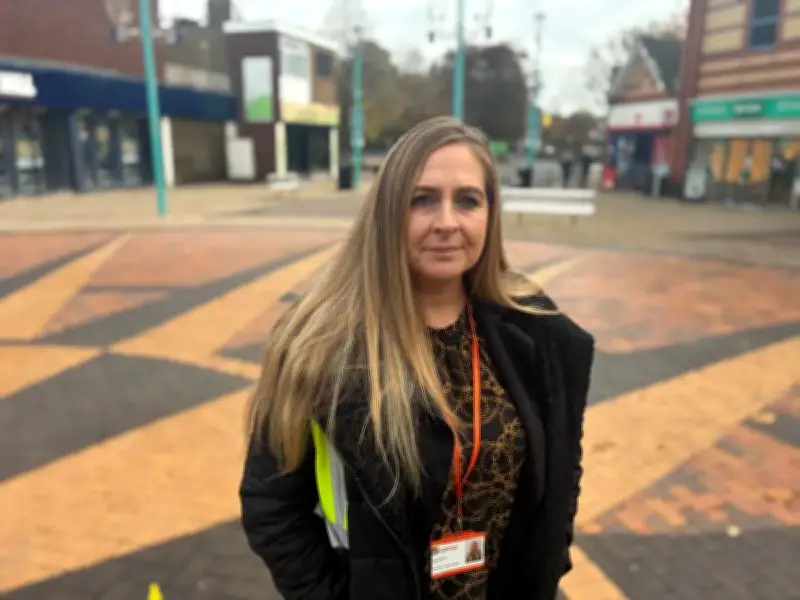
Jenny Dennett, community domestic abuse manager at the charity, told the ECHO in Huyton that mums who come forward to them have often changed their behaviour to avoid aggravating their son. On the warning signs mums or those close to them should look out for, Ms Dennett, 50, from Runcorn, said: "If you're changing your behaviour to keep that peace constantly, and you feel like you're treading on eggshells to prevent a reaction, whether that be an aggressive outburst or demands for money, if you're changing your behaviour, if you're feeling on edge and trapped, not knowing what to do, if you’re fearful, that is domestic abuse.
"I think today people still see domestic abuse as intimate partner relationships, and it's not. It is family members, mothers and sons and daughters. It covers all of that, and that's what we're here to raise (awareness about) today."
Ms Dennett emphasised that people can come to The First Step in confidence. She said: "We offer a self-referral service so people can phone up, they can remain anonymous, and they can gain some advice and support without even giving their name. We often have a lot of people who do that, and then later build a bit of trust and contact us back."
On what can drive this behaviour in men, Ms Dennett said: "There's different types of perpetrators and there's an array of reasons why all perpetrators behave the way they do. Drugs, alcohol and mental health issues are not the cause of domestic abuse, but they can escalate a situation. There is an element of power and control and getting what they want."
'This behaviour can escalate'
This is part of the work being undertaken by multiple agencies to address the findings of the 2024 review and reduce the numbers of women killed by men in Merseyside. Ms Dennett said: "There's coercion, there's intimidation, there could be financial abuse. There could be physical abuse, there might not be. But it could escalate to that, as we found in the femicide census.
"There's extra barriers for mothers in seeking support. They don't want to get their sons into trouble. It's that instinctive protective factor that mums have. They love their sons. They really care about the wellbeing of their sons, and they don't want to get them into trouble. That's why it's so important to have specialised services which are independent. People don't have to go to the police. They can contact us, and we can give them safety advice and support until they're ready to do something.
"We need to work collaboratively together. A lot of people don't understand coercive control and domestic abuse. It's not just about violence, it's about that coercion, and it's really difficult for people to recognise what's happening to them and reach out for support."
Detective Superintendent Ben Dyer, domestic abuse lead at the force, said this type of abuse can be missed in official reporting. He said: "I would say that this kind of domestic abuse is hidden and not widely reported. I understand it takes an awful lot of courage to reach out and make that report, especially if the abuse has been ongoing for a while.
"If they don't feel that they can approach the police in the first instance, reach out to The First Step info service. The Victim Care Hub Merseyside has a raft of resources on there where they can look at some of those websites that they can go on which have a ‘quick exit’. If they need to exit that website, they can click a button and it takes it off the browser straight away. There's lots of avenues that they could go to look at what resources are available in their area to reach out for that support."
Emily Spurrell, Merseyside Police and Crime Commissioner, said: "We probably don't get this reported as much as we'd like, and that's similar across all forms of domestic abuse. It's not easy for any survivor to come forward and talk about this, but we know that particularly in this example, it is even harder. I think we probably know it's going on, but we're trying to say to women today, actually, there is help out there and support available to you."
More information about this can be found via Victim Care Merseyside, Merseyside Police’s webpage on violence against women and girls and The First Step website.