Social media accounts sharing 'Manchester nightlife' videos, some featuring AI-generated images, continue to attract millions of followers, prompting concerns over misogyny and harassment.
One Facebook account seen by the Manchester Evening News has amassed 1.8 million followers, with other accounts reaching 33,000 and 13,000 followers. A dedicated Facebook group has more than 354,000 members, where users can share their own footage and images.
AI Images and Real Footage
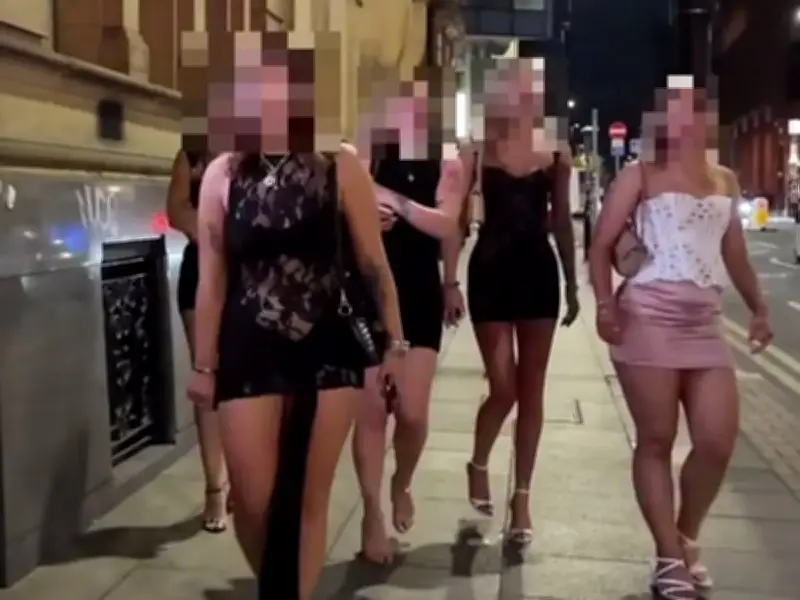
One page features images that appear to be created using artificial intelligence (AI), supposedly showing women on a night out in Manchester, particularly around Deansgate. Clues include misspelt shop signs, cars that don't appear real, and the composition of the images, yet comments suggest viewers have not realised they are AI-generated. The M.E.N. has pixelated faces in the images to protect any identities that may have been used.

The same account shows real video footage of women who are not aware they are being filmed. Some clips appear to have been filmed in other UK cities, including Leeds and Liverpool, but captioned as if they are from Manchester. Other clips show women struggling while intoxicated, including one who had difficulty getting up from the ground.
Misogynistic Comments and Platform Response
Comments underneath some clips include 'Red Light district?', 'English dumplings' and 'Is it the Weight Watchers convention?', with other comments too vulgar to be repeated, including multiple sexual remarks about the women. The M.E.N. has shared its findings with Meta, the owner of Facebook, which did not respond to requests for comment.
Hannah O'Donoghue-Hobbs, founder of the January 92 social media consultancy firm in Manchester, previously told the M.E.N. of her concerns over how 'online chatter can escalate'. She said: "Platforms prioritise whatever keeps people commenting and sharing, and unfortunately that often means controversy and moral judgement."
"When videos of young women on nights out circulate widely, they're pulled into algorithmic echo chambers where sexualised and hostile comments are repeated and normalised. The danger is that this online behaviour doesn't stay online. It can encourage harassment, reinforce harmful narratives and expose individuals to real world risks, all while shifting the focus away from platform responsibility and digital behaviour, and onto how young women choose to dress."
Investigation and Safety Measures
The M.E.N. first reported on the trend in 2022, with accounts later removed by TikTok, before clips were shared on YouTube in 2024. Google-owned YouTube removed multiple accounts earlier this year after initially failing to take action. GMP launched a criminal investigation in 2024 after receiving reports from affected women, leading to a man's arrest on suspicion of voyeurism and harassment in November that year. The investigation later ended due to limitations with current legislation, with the force exploring civil action alongside Manchester council.
More than 600 businesses have signed up to Manchester council's Women's Night-time Safety Charter, while the WalkSafe+ app allows people to share journeys with trusted contacts. The #IsThisOk? campaign and GMP's Operation Safer Streets have also challenged predatory behaviour. Superintendent Nicola Williams, of GMP City of Manchester, previously said: "Predatory behaviour is completely unacceptable, and tackling this has been a priority for our night time economy policing operation."
She added: "We are committed to ensuring nights out are safe for everyone and encourage anyone who is subjected to unwanted behaviour to report this to us. We will listen, you will be believed, and we will investigate all lines of enquiry."