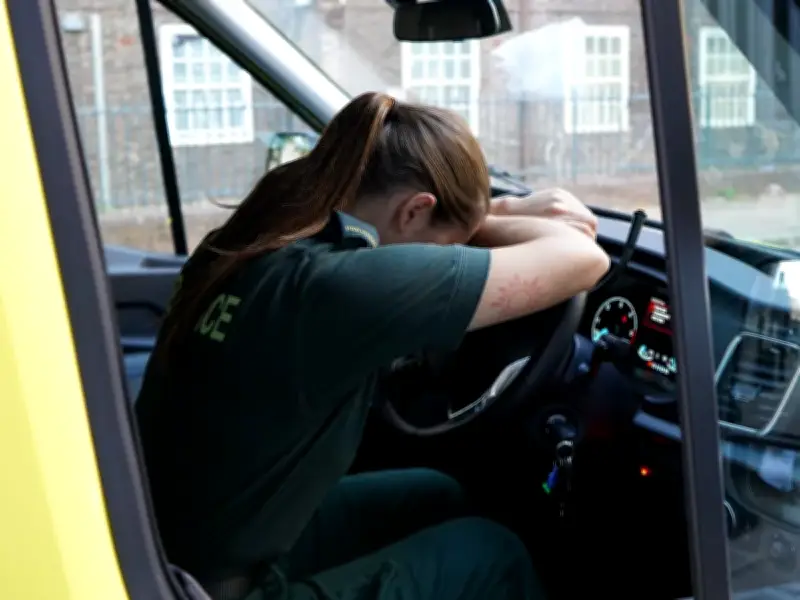
Crews and call handlers at the London Ambulance Service have said they face sexual abuse “almost daily” while at work. Paramedics said they regularly endure physical sexual abuse and inappropriate comments, while almost a third of emergency phone operators say they have experienced sexual harassment.
Scale of the problem
Sexual abuse includes sexual threats, groping, indecent exposure, explicit comments, and sexual violence. As many as 462 incidents were reported by staff between July 2025 and July 2026, and almost two thirds of women working on ambulances said that they had experienced unwanted sexual behaviour from patients, service users, relatives or other members of the public.
Shocking footage released by the service today shows the extent of the sexual abuse faced by crews every day. One patient can be heard asking for a “kiss on the cheek” and for crews to “stroke his thigh.” “That is what turns me on,” he said.
Campaign launch
It comes as the LAS launches its “We Show up. Show some respect” campaign to combat the shocking scale of sexual abuse. As part of the campaign, several crew members have come forward to share their experiences.
Paramedic Gosha Graf said she was groped while helping a patient. He then refused further treatment. A closer look at his notes revealed that the patient had sexually assaulted another paramedic the same day and had again refused further treatment. The man was consequently jailed for 18 weeks in March after being convicted of sexual assault.
Ms Graf said: “I was trying to help him when he grabbed me and I remember thinking, 'Why does anyone have to put up with this just for doing their job?' But what made it worse was finding out he had already done something similar to another paramedic that day.”
Official response
Chief executive of LAS, Jason Killens, said: “This disgusting behaviour disrupts emergency care, can take ambulance crews off the road and our call handlers away from their station, which may delay help reaching other patients. It has to stop.
“If you see such behaviour, call it out. If you are asked to give evidence by police after an incident, your testimony might help ensure the perpetrators face the consequences of their actions. This is not part of the job and we will never treat it as such.”
Chief paramedic Pauline Cranmer said: “We come to work to help others. To respond with sexual abuse is a shocking betrayal. We will not accept it, excuse it or allow offenders to believe they can target our people without consequence.”