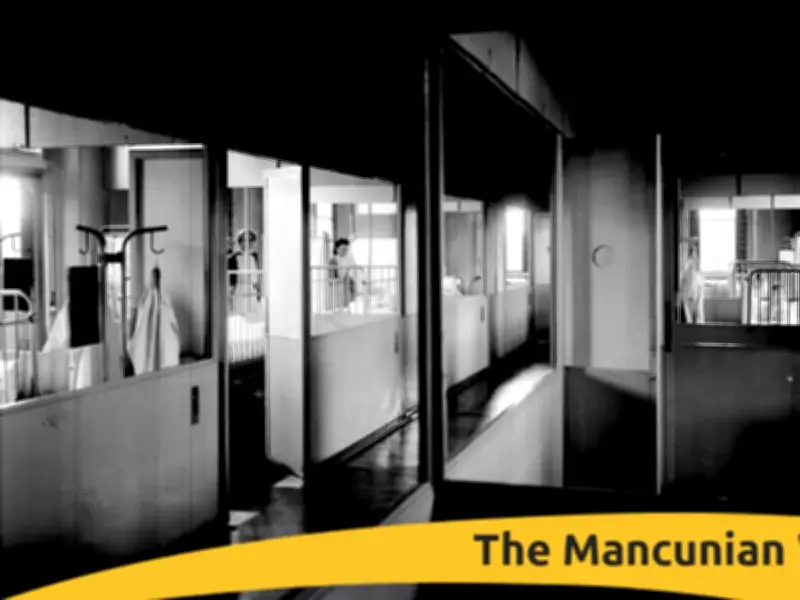
In 1985, Roger Youd became the only person in Britain known to have been detained against their will because they were living with HIV. The detention took place at Monsall Hospital, a centre for infectious diseases at the time. Authorities have yet to apologise, according to a report by Greta Simpson.
A Shameful Episode
Roger Youd is thought to have admitted himself to the hospital in August 1985 after being diagnosed with HIV. He ended up being held against his will after a court order, the first of its kind, prevented him from going home. Archive editions of the Manchester Evening News state that at the initial hearing, the council’s chief medical officer Dr Anna Jones applied for the order under the Public Health Control of Disease Act 1984.
“The patient has indicated a wish to leave hospital,” Ms Jones told Manchester Magistrates’ Court on Saturday September 14, 1985. “In the opinion of myself and the consultant, that would be dangerous.”
Family's Betrayal and Protests
Roger’s family, who were visiting him in hospital at the time and staying on hospital grounds, say that the order was sought without their knowledge. His brother Carlton describes it as a stunning “betrayal”. The detention led to vocal protests outside the town hall, and The Terrence Higgins Trust arranged legal counsel for Roger, who successfully fought for the order to be lifted at the Court of Appeal on Tuesday, September 24, 1985.
Following further protests, the council pledged to “review its procedures” to ensure “that the situation does not arise again”. The 1984 legislation under which Roger was detained provided powers to isolate people suffering from notifiable diseases. HIV and AIDS have never been notifiable diseases in Britain, but a 1985 regulation allowed for the same powers to be exercised in relation to AIDS patients.
Campaign for an Apology
This inconsistency ‘fires up’ Will Hampson, leading him to launch a petition urging the council to apologise. Will has painstakingly documented Roger’s story for his podcast AIDS: The Lost Boys of Soho. Carlton, who describes his brother Roger as “generous, warm-hearted and kind”, recalls a devastating conversation: “I do remember, with a clarity, the day I suggested he come and stay with Mum once he was feeling better. He said: ‘There’s no point, they will only ever know me as the AIDS man’.”
M.E.N editor Sarah Lester says the language and framing of Roger’s detention in the paper at the time “makes deeply uncomfortable reading now” and has apologised. “We recognise that our reporting contributed to the stigma and distress experienced by Roger and his family and many others in the gay community. We are sorry for that,” she says.
Harpurhey councillor Pat Karney praised Will’s ‘incredible’ website and offered to meet with Roger’s family to honour his memory. He said the council had taken a “wrong decision” during a “period of hysterical misinformation about AIDS and HIV”. “I am sorry Roger and his family had to endure this ordeal,” he said. A Manchester City Council spokesperson said Mr Youd's treatment “was unacceptable and is something we profoundly regret” but stopped short of an apology. Campaigner Peter Tatchell says it’s not good enough. “It should make a full apology, and so should the Manchester region of the NHS,” he says. “They conspired together to detain a gay man with HIV against his will. Whatever the intention and motive, this was a medically unjustified deprivation of liberty.”