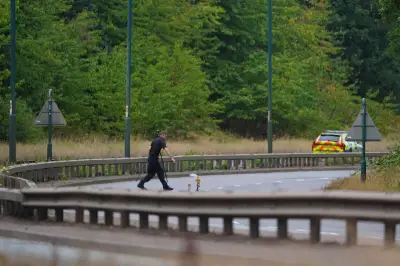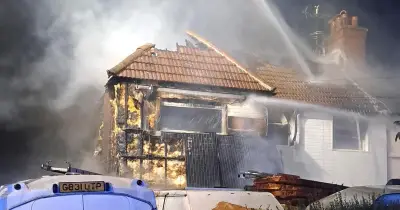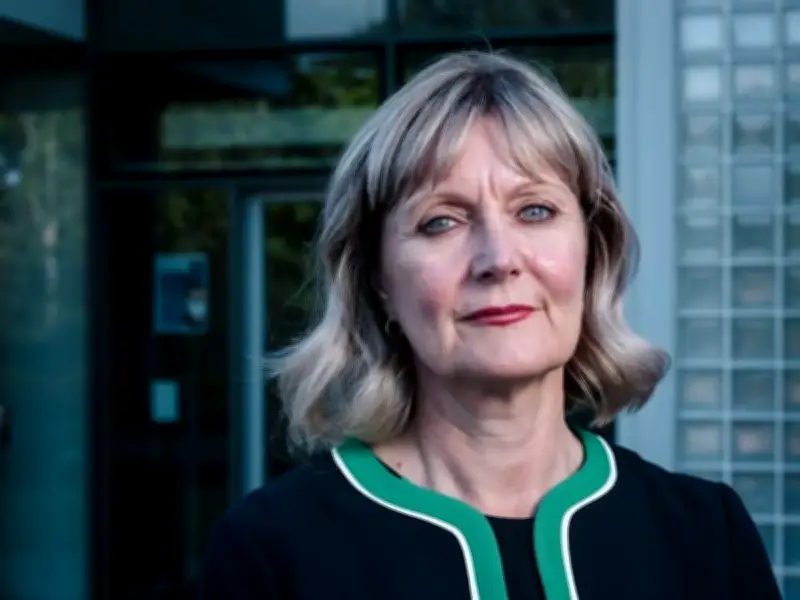
Durham Police and Crime Commissioner Joy Allen has spoken out against the "disturbing culture" of people who film their dangerous driving, as investigations continue into a fatal A66 crash that killed two police officers and five occupants of a VW Passat.
PC Tom Clough and PC Matthew Blades died in the crash, along with five people in the other vehicle. The PCC said officers are regularly seeing the "devastating and tragic consequences" of reckless driving in the region.
PCC's warning to drivers
In a statement, Allen said: "There are few things harder in my role as Police and Crime Commissioner than meeting families whose lives have been destroyed because somebody else made a reckless decision behind the wheel."

"Parents who have buried children. Children growing up without parents. Brothers and sisters left asking the same agonising question: why?"
She added: "That is why I make no apology for speaking out about a disturbing culture of people driving dangerously, filming it and sharing it with friends or followers as though speeding, racing, dangerous overtaking or driving under the influence is something to boast about."
Fatal cases cited
Allen highlighted the case of eight-month-old Zackary Blades and his aunt Karlene Warner, 30, who were killed by a speeding, drink driver on the A1(M) who filmed himself driving at 141mph. He was jailed for 17 years and 3 months for causing their deaths by dangerous driving. Zackary's mother, Shalorna, survived and has campaigned for lifetime driving bans.
She also referenced Abbie Devanney, who died in October 2023 after a crash near Leadgate. The driver, who had passed his test six months earlier, was travelling at an estimated 69mph in wet and dark conditions. Police found videos on his phone showing previous speeding and dangerous overtaking.
Call for tougher laws
The PCC urged the public to report such videos to police or Crimestoppers anonymously. She said social media companies should be compelled to remove content that glorifies dangerous driving, adding: "Dangerous driving is not entertainment, and algorithms should not reward reckless behaviour with more views and exposure."
Allen warned that videos and posts can become evidence, saying: "What they film for likes today could help convict them tomorrow." She also suggested that in the most extreme cases, manslaughter should be considered, stating: "If drivers knowingly and repeatedly choose to turn a vehicle into a lethal weapon, the consequences must reflect the devastation they cause."
Her final message was: "Put the phone down, slow down, and never drive dangerously or under the influence of drink or drugs. No video, no post and no number of likes is worth a life."