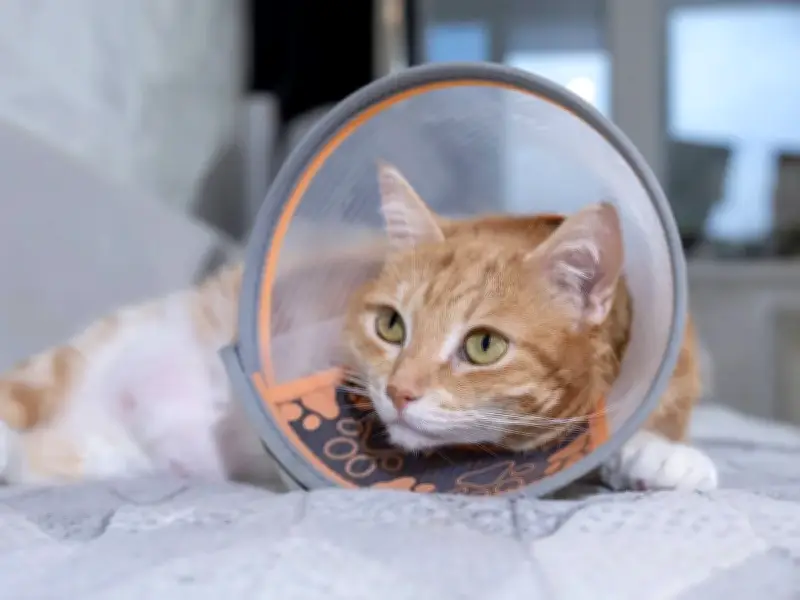
A cat owner has been left with thousands of pounds in vet bills after their elderly pet was repeatedly attacked by a neighbour's cat, but under UK law, holding the other owner financially responsible is difficult.
Jason, who sought legal advice after his 17-year-old cat was attacked on three separate occasions, faced £3,000 in vet bills and damage to his home. The attacks began about four months ago when a young Bengal cat started appearing in his garden.
"About four months ago we started seeing a new cat in our garden - a young Bengal. My 17-year-old cat was badly injured one night - £1500 in vets bills. We suspected a fight with the Bengal but there was no proof," Jason wrote in his Reddit post.

Repeated attacks and home damage
Just four weeks later, the Bengal was spotted back in the garden. "In the 30 seconds it took us to get out to the garden the Bengal had attacked him again, resulting in another £1500 vet bill," Jason explained.
Over the next four months, the Bengal broke into Jason's home on at least five occasions and launched another attack on his elderly cat inside the property, though the injuries did not require stitches or a further vet visit. "During summer this year, we've literally been unable to open our doors and windows because this cat will get in the house, so it's been somewhat unpleasant in the heat as you might imagine," Jason said.
The Bengal gained entry through angled net fencing installed around the perimeter and climbed through an open first-floor window. When Jason attempted to catch the cat, it panicked, ripping roller blinds over two windows, knocking a speaker off a shelf and breaking it, and smashing two vases.
Legal position on cat liability
The Bengal's owner agreed to collect the distressed cat but said they would only pay for the damage if shown "absolute proof" that their cat was responsible.
In the UK, cat owners generally cannot be held legally liable for vet bills or injuries from cat fights, as cats have a legal "right to roam" and are not subject to the same control laws as dogs. Under the Common Law Duty of Care, cat owners must take reasonable steps to prevent injury or damage, but roaming and minor scrapping are considered normal cat behaviour.
Owners are typically not liable for trespassing or damage caused by free-roaming cats unless serious negligence is demonstrated, such as knowingly allowing a dangerously aggressive cat outside when an attack was foreseeable. Pets are classed as personal property, so there is no automatic legal requirement for the other owner to pay vet bills, though they can be asked informally.
Practical steps for affected owners
The most practical option for covering vet fees is to claim through your own pet insurance policy. Owners can also approach the other party calmly to discuss costs, though they cannot be legally compelled to pay.
If attacks continue on private property, keeping a diary, taking photographs, installing garden CCTV, or using cat-proofing measures such as specialist fencing or a "catio" can help protect pets. Charities such as the RSPCA may offer guidance or affordable care for those struggling with treatment costs, subject to eligibility criteria regarding benefits and location.